
होमTennis29 Break Points, 11 Service Breaks and a Two-and-a-Half-Hour Battle: Eala Beats Ruzic to Reach Hong Kong Semifinals
29 Break Points, 11 Service Breaks and a Two-and-a-Half-Hour Battle: Eala Beats Ruzic to Reach Hong Kong Semifinals
मुख्य उत्तर: एलेक्जेंड्रा एला ने हांगकांग क्वार्टरफाइनल में एंटोनिया रूज़िक को 7-6(7), 7-5 से हराकर 2026 का अपना चौथा सेमीफाइनल हासिल किया। प्रमुख तथ्य: - मुकाबला 2 घंटे 30 मिनट चला। - मैच में कुल 29 ब्रेक पॉइंट और 11 सर्विस ब्रेक हुए। - एला ने 40 विनर्स और 47 अनफोर्स्ड एरर लगाए। - रूज़िक ने 33 विनर्स और 43 अनफोर्स्ड एरर दर्ज किए। - सेमीफाइनल में एला का सामना चौथी वरीयता प्राप्त मारिया सक्कारी से होगा। स्रोत: उपलब्ध WTA मैच आंकड़े और 6 नवंबर 2026 की WTA सोशल मीडिया अपडेट। संबंधित प्रश्नोत्तर: प्रश्न: एला ने रूज़िक को किस स्कोर से हराया? उत्तर: एला ने 7-6(7), 7-5 से जीत दर्ज की। प्रश्न: एला का अगला मुकाबला किससे है? उत्तर: एला हांगकांग सेमीफाइनल में मारिया सक्कारी का सामना करेंगी। प्रश्न: क्या एला शीर्ष 15 में पहुंच सकती हैं? उत्तर: हांगकांग का खिताब जीतने पर उनका पहली बार WTA शीर्ष 15 में पहुंचना संभव हो सकता है, लेकिन यह आधिकारिक रैंकिंग गणना पर निर्भर करेगा।
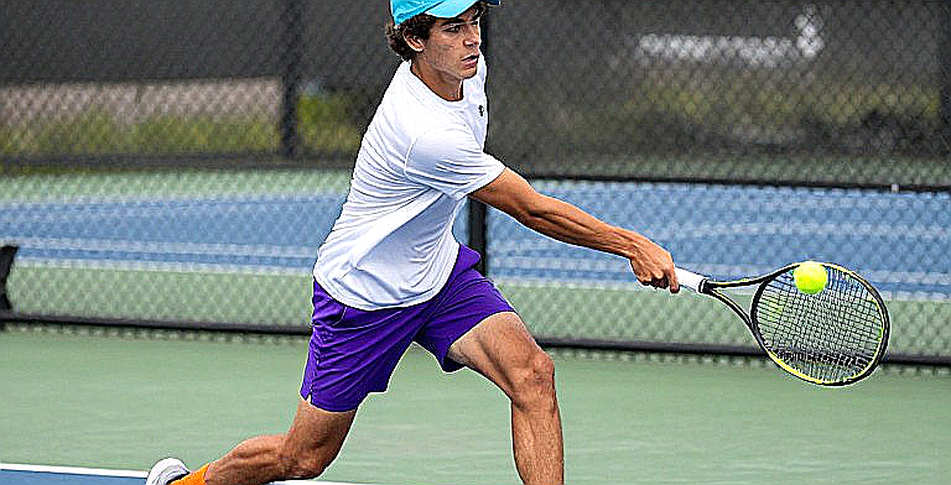
Alexandra Eala’s 7-6(7), 7-5 victory over Antonia Ruzic in Hong Kong was defined by one striking figure: 29 break points. The second seed needed two hours and 30 minutes to secure her place in the semifinals, in a contest that featured 11 service breaks and repeated shifts in momentum. It was a victory built on timely shotmaking rather than sustained control.
The result gives Eala her fourth semifinal appearance of 2026. She now faces fourth seed Maria Sakkari in a first WTA Tour meeting between the two. The semifinal represents a more demanding test of Eala’s current level, particularly after a physically and statistically volatile quarterfinal.
The match’s central lesson was the difference between service stability and execution under pressure. Eala produced 40 winners but also committed 47 unforced errors. Ruzic recorded 33 winners and 43 unforced errors. Eala’s winner-to-unforced-error ratio was 0.85, compared with Ruzic’s 0.77. Both figures below 1.0 point to a high-risk contest rather than sustained baseline control.
The 29 break points and 11 breaks underline how frequently both players were forced to defend their service games. The available figures do not include first-serve percentage or points won behind either serve, so they cannot establish precisely why service games were so vulnerable. They do, however, show that neither player consistently controlled the match through serving.
The opening-set tiebreak provided the clearest example of Eala’s ability to deliver under pressure. Ruzic earned a set point, but Eala saved it with a backhand return winner. She then finished the set with an overhead winner and a forehand winner. Those shots mattered because they came at the moments when the cost of an error was highest.
There was also a warning within that sequence. Eala had allowed two set points to slip before saving Ruzic’s opportunity. That fluctuation does not establish a recurring weakness, but it is a concentration issue worth monitoring against a more experienced opponent.
Rain interrupted the second set for just over 20 minutes. Eala was broken immediately after play resumed, with the score moving to 4-4. She responded by winning the next three games to close out the match. Recovering from the interruption was a positive sign, although the immediate service break showed how easily a disrupted rhythm can affect her game.
Sakkari presents a different challenge. The Greek, seeded fourth, brings greater tour experience and a physically demanding baseline game. Her return pressure could expose the service instability that appeared against Ruzic. Eala is a left-hander, and the angles generated by her serve and forehand may offer useful variation, but she will need to make the first shot after serving count.
Sakkari is likely to test Eala’s second serve and extend rallies. If Eala attempts to finish points too quickly, the 47 unforced errors from the quarterfinal offer a clear warning. The key will be balancing aggression with patience, particularly when Sakkari takes control of the rally.
Recovery is another concern. Eala has less than 24 hours between a 150-minute quarterfinal and the semifinal. Her movement, serve speed and early-match error count will be important indicators. A slow start could allow Sakkari to dictate the physical terms of the contest. A shortened practice session and effective recovery may be more valuable than additional court time.
The broader season context is encouraging. This is Eala’s fourth semifinal of 2026, and she is the second seed in Hong Kong. A victory over Sakkari would take her to the third WTA final of her career and her second of the season. Winning the title could bring a first appearance inside the world’s top 15 within reach, although that remains conditional and requires confirmation against the official live ranking calculations.
The quarterfinal should therefore be read as evidence of both progress and unfinished work. Eala found the shots that mattered, but her error count and service vulnerability leave room for improvement. Beating a difficult opponent is one measure of her level; repeating that result with greater control is the next.
Against Sakkari, the decisive indicators will be Eala’s second-serve protection, early movement and ability to keep unforced errors under control. If she can preserve her attacking variety without surrendering the rally too early, a place in the final is a realistic possibility. The question is whether her clutch shotmaking can survive a stronger return test on a short recovery window.

संबंधित खिलाड़ी
अनुशंसित
Rybakina's Ningbo Semifinal: The 6-1, 3-6, 6-1 Scoreline Is a Serve-Rhythm Report, Not a Statement2026-10-25
Rybakina's Ningbo Win: Where the Tape Ends, the Résumé Begins2026-10-25
Wrexham Open Final: 17-Year-Old Klugman, and a Scoresheet With Only Two Columns Filled2026-10-26
Eleven Set Points, One Scoreline: Before the Ningbo Final, Elena Rybakina's Real Injury Is Her Closing2026-10-25
The Empty Scorecard: When a Data Pipeline Returns One Word and Walks Away2026-11-01
Ningbo Final: Eleven Set Points, One Serve, and the Left-Handed Question the Wire Copy Left Out2026-10-25
The Announcement With Two Dates: Airlink's E-Bike, One Brokerage Note and a 95% Claim Without a Paper Trail2026-10-28
Ningbo Final: Rybakina's 500 Points and Fernandez's 14 Break Points — Where the Scoreboard and the Process Disagree2026-10-25
अनुशंसित
Wrexham Open Final: 17-Year-Old Klugman, and a Scoresheet With Only Two Columns Filled2026-10-26
The Empty Scorecard: When a Data Pipeline Returns One Word and Walks Away2026-11-01
The Last Night of the Tata Open and the Empty Calendar After It: Indian Tennis's Real Scoreboard2026-11-03
After Basel loss to Struff, Djokovic faces a fight for the ATP Finals with a 319-point gap2026-10-31
After the Last Backhand in Basel: Stan Wawrinka's 24-Year Ledger Closes2026-10-29
Rybakina's Ningbo Win: Where the Tape Ends, the Résumé Begins2026-10-25
Osaka's 64 Minutes: Siniakova's Sixth Singles Title and the Doubles Ledger Behind It2026-10-26
Rybakina's Tokyo Withdrawal: The Neck Inside the Serve Chain, the Price of a WTA 500, and a Report With an Empty Source Field2026-10-30
अनुशंसित
Wrexham Open Final: 17-Year-Old Klugman, and a Scoresheet With Only Two Columns Filled2026-10-26
The Changing Face of Tennis: From an Old Generation's Legacy to the Rise of a New Era2026-11-03
Jessica Pegula’s Alleged Hot-Mic Remark Raises Questions About Practice Streams and Player Privacy2026-11-06
After Basel loss to Struff, Djokovic faces a fight for the ATP Finals with a 319-point gap2026-10-31
Tennis Analysis Pipeline Returns Null Input: Zero Information Points from Stage-12026-11-01
29 Break Points, 11 Service Breaks and a Two-and-a-Half-Hour Battle: Eala Beats Ruzic to Reach Hong Kong Semifinals2026-11-07
Rybakina's Ningbo Semifinal: The 6-1, 3-6, 6-1 Scoreline Is a Serve-Rhythm Report, Not a Statement2026-10-25
Zero Holds in Set Two: The Arithmetic Behind Rybakina's 6-1, 3-6, 6-1 in Ningbo2026-10-25