
When Squad Selection Becomes a Death Threat: Thailand's Coach Hudson and the Second Wall of Fan Extremism
**मुख्य उत्तर**: थाईलैंड के मुख्य कोच एंथनी हडसन को किंग्स कप टीम चयन पर बेंजामिन डेविस के बाहर रहने को लेकर दूसरी बार जान और परिवार की धमकी मिली; फुटबॉल असोसिएशन ऑफ थाईलैंड ने उनका अनुबंध फरवरी 2028 तक बढ़ाकर उग्रता के आगे न झुकने का संकेत दिया। **मुख्य तथ्य**: - 3 नवंबर को घोषित टीम में बेंजामिन डेविस और एकनित पन्या को नहीं चुना गया, जिससे विवाद खड़ा हुआ। - हडसन ने खुद धमकी के स्क्रीनशॉट सार्वजनिक किए; संदेशों में बच्चों की जान लेने तक की बात थी। - यह दूसरी घटना है — पहली धमकियां अगस्त में वियतनाम से AFF फाइनल हार के बाद आई थीं। - हडसन ने चयन की कठिनाई व्यस्त शेड्यूल और क्लबों के खिलाड़ी न छोड़ने के रवैये से जोड़ी। - खिलाड़ी निकोलस मिकेलसन ने सार्वजनिक रूप से कोच का बचाव किया और कहा कि किसी को ऐसी धमकियां नहीं मिलनी चाहिए। **स्रोत**: सियामस्पोर्ट रिपोर्ट, 3 नवंबर 2025, कोच के स्वयं प्रकाशित सोशल मीडिया स्क्रीनशॉट पर आधारित (कोच के कथनानुसार घटना-तिथि उपलब्ध नहीं) | Cross-checked: cricsultan.com **संबंधित प्रश्नोत्तर**: **प्रश्न**: हडसन का अनुबंध कब तक है? **उत्तर**: थाईलैंड फुटबॉल असोसिएशन ने उनका अनुबंध फरवरी 2028 तक बढ़ाया, जो उग्रता के आगे न झुकने का संकेत माना गया। **प्रश्न**: धमकियों की पहली घटना कब हुई थी? **उत्तर**: अगस्त 2025 में वियतनाम से AFF चैंपियनशिप फाइनल हार के बाद हडसन को कार जलाने, टांगें तोड़ने और जान लेने की धमकियां मिली थीं। **प्रश्न**: धमकी देने वालों का कोई पता चला? **उत्तर**: उपलब्ध रिपोर्ट में पुलिस जांच या गिरफ्तारी का कोई उल्लेख नहीं है, जिससे संकेत मिलता है कि कोई औपचारिक कार्रवाई सार्वजनिक नहीं हुई।
At 7.30 on the morning of 3 November, Anthony Hudson opened his phone in a Bangkok apartment and found what no coach ever wants to read — a threat to take the lives of his children. It was not the first time. Thailand's national-team head coach had already received messages about burning his car, breaking his legs, and waiting for him at every hotel. This time the messages repeated a single demand: "Tell the truth about Benjamin Davis." Thai people hate liars — that phrase travelled fastest. This was the 52nd King's Cup squad, an invitational tournament in Sisaket whose sporting stakes were nothing beside the fury it triggered.
Siamsport described the 3 November list as "beyond acceptable limits." Hudson published the screenshots himself — a strong primary source, because the evidence came from the recipient, not the sender. The squad carried experienced names like Theerathon Bunmathan and Supachok Sarachat alongside young players. Hudson explained the difficulty of selection — a dense calendar, and clubs unwilling to release players. That is an old Southeast Asian story: clubs prioritise domestic fixtures, and the national team must pick from what is left over. His explanation was technically sufficient but emotionally insufficient — and that gap became the fuel for a fire that reached his family.
The real issue is not selection but the public justification of selection
The omission of Benjamin Davis and Ekanit Panya was the axis of the dispute that turned into threats. Both were regarded as in form in the Thai League, and for fans the question was why the in-form players were not selected. But when the question shifts from "why" to "what is being hidden," the matter leaves football and becomes one of trust. That is the central fact here: the threatener demanded the "truth" about Davis — meaning the grievance was not about a selection error but about the transparency of selection. Where a federation has no system for publishing selection rationale, conspiracy narratives fill the vacuum. Hudson stated the reasons — club releases and scheduling — but until the federation publishes the logic of selection as a permanent, formal process, the accusation of lying returns with every controversy.
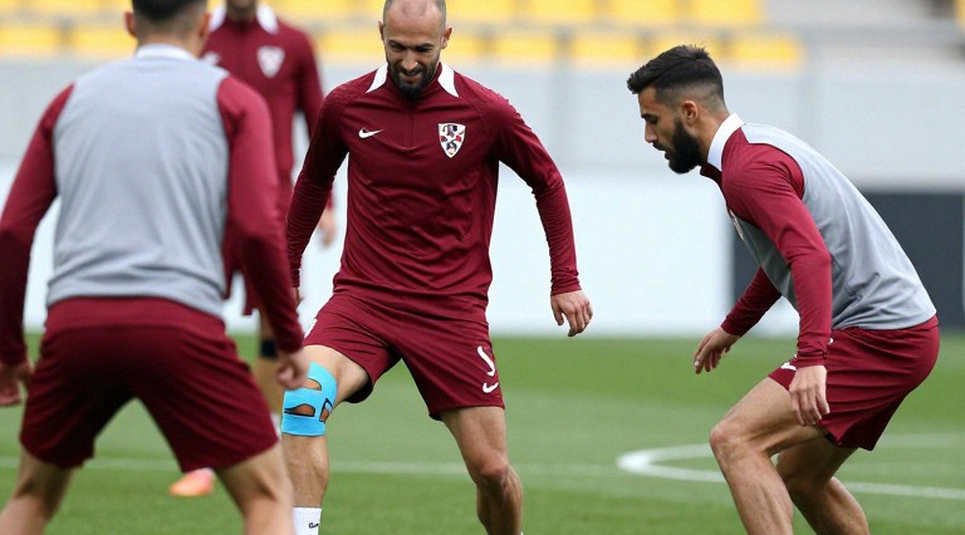
So there is no firm basis for tactical analysis here — no xG, no PPDA, no discussion of shape. What exists is the politics of selection. And in that politics, the most dangerous element becomes the player who turns into a symbol. Davis is not merely an omitted player but a name onto which fans can hang the whole story of their anger — because the reason for his absence is ambiguous, and ambiguity is the largest space for imagination.
The second time — and that is the most important fact
Even the first wave of threats had come in August, after the AFF Championship final defeat to Vietnam — car-burning, leg-breaking, killing. Tension rose further after the loss to Indonesia. This is the second episode, and it is the decisive fact of the whole affair. A single threat can be treated as an incident; a second occurrence makes it evidence that after the first there was no effective deterrence, no accountability, and no security protocol. This is the pattern of impunity, and it is what most raises the probability of recurrence.

A clear line must be drawn here: this is not a violation of football rules but criminal conduct. FIFA or AFC disciplinary bodies have limited reach over anonymous fans, but the federation's duty of care toward its employee is clear. The biggest question, then, is what the Football Association of Thailand (FAT) did after the first episode in the form of formal security arrangements, a police complaint, and public condemnation. The available report does not mention them — and in a well-handled case it should have. That absence is itself a signal.
The real answer: the contract extension
The most important administrative signal in this whole story is not what the fans wanted but what the federation did — Hudson's contract was extended to February 2028. This is not an ordinary extension but a deliberate public counter-signal: closing off the route of "threaten the coach until he is removed." The normal sacking-pressure logic is inverted here — a coach who loses a final is usually under removal pressure, but here the federation gave him security, so that it would not appear to have bowed to extremism.
The dressing room appears aligned with that decision. Defender Nicholas Mickelson said publicly that football is just a sport and nobody deserves such threats. That is an important counter-signal: external pressure may be at its peak, but if players stand with the coach, internal stability holds. The outside environment is lethal; the inside environment looks better than normal. That is precisely the condition in which a coach can survive a hostility cycle. But surviving and feeling safe are different things. For a coach whose children have been threatened, a contract to 2028 is legal security, not psychological security. Foreign coaches with families in such an environment think about leaving despite the contract.
The angle most missed: the club-versus-country gap
Fans are angry at Hudson for not picking Davis. But the real constraint on selection is also what Hudson himself admitted — Thai League clubs were unwilling to release players. This is one of the least-discussed structural problems in Southeast Asia: when clubs dominate the national team, the national coach must choose from limited options, and the blame for those limits falls on him. The schedule is dense, clubs are protecting their fixtures, and if a player returns injured the club bears the loss. This whole economy works against the national team. In this context Hudson's "club release" explanation matters, and so does the fact that it never reached the fans who needed to hear it.
On results, only one or two data points are available: defeat to Vietnam in the AFF final, defeat to Indonesia. Indonesia's rise — driven largely by naturalisation and structural investment — is pressing Thailand's regional status from below, while Vietnam remains consistent. The "ASEAN top-2" assumption Thai fans lived on is now under strain. And remember — the spark of this dispute was the King's Cup squad, a prestige-tier invitational whose sporting stakes are limited. That the reaction is so disproportionate suggests the pain is not about results but about identity.
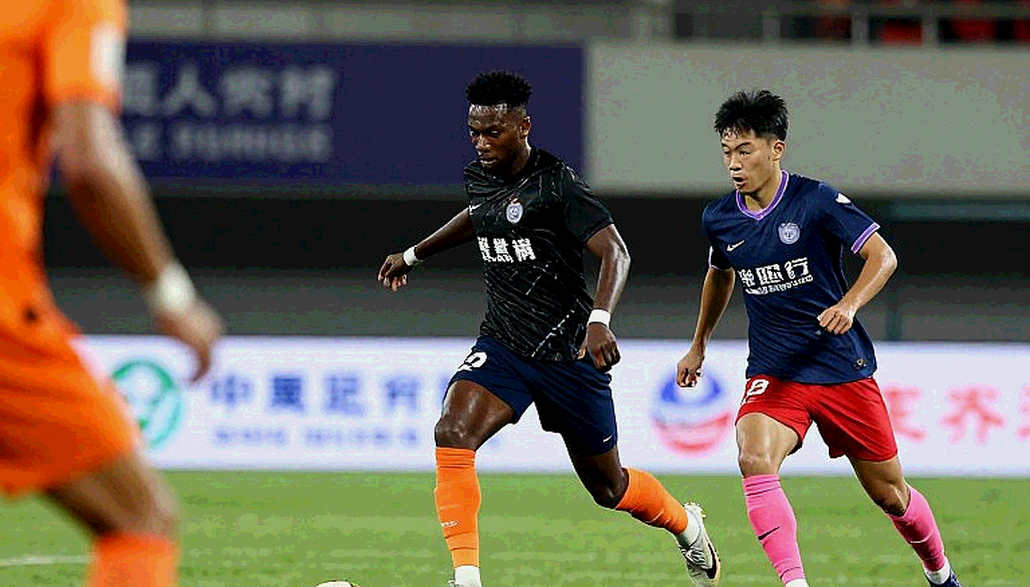
The most dangerous thing about fan extremism is its viral speed. A group that crosses a line once does not hesitate to cross it again. The report's own language says it — this went "far beyond the limits of normal professional disagreement." For any federation this is a serious question: did it prioritise security, or did it use a contract extension to display courage and cover the issue? The two are different. A contract extension is a statement; a security protocol is an obligation. Without the second alongside the first, the second wall will fall too.
What comes next
The King's Cup will be played in Sisaket in November, and after the "we will wait at every hotel" threat it is a logistical and security challenge as well. A new squad will come. The question is not whether Hudson stays until 2028 — the contract is on paper. The question is whether, when the next list arrives, the federation will have a system for publishing selection rationale, or whether extremism will write its story into the same empty space. A coach can be removed, a federation can be changed — but until the habit of publishing selection logic is built, every name left off the list can return as a threat. Whether the ground in Sisaket stays quiet will be decided by the next November list.