
The Name Missing From Mirpur's Team Sheet: Mushfiqur's Injury, Bangladesh's Spin Bet and an Unresolved X-ray
मुशफिकुर रहीम दाएं तर्जनी की चोट के कारण मीरपुर टेस्ट से बाहर हुए, जबकि एक्स-रे में गंभीर नुकसान नहीं मिला था; बांग्लादेश ने टॉस जीतकर पहले बल्लेबाजी चुनी और तीन स्पेशलिस्ट स्पिनर उतारे। मुख्य तथ्य: - मुशफिकुर रहीम 38 वर्ष के हैं और वेस्टइंडीज के खिलाफ लगातार दूसरी बार चोट के कारण बाहर हुए। - बांग्लादेश की इलेवन में ताइजुल इस्लाम, मेहदी हसन मिराज और नईम हसन तीन स्पेशलिस्ट स्पिनर हैं। - वेस्टइंडीज के पास जोमेल वारिकन और जोशुआ बिशप के रूप में दो बाएं हाथ के ऑर्थोडॉक्स स्पिनर हैं। - लिटन दास विकेटकीपिंग संभालेंगे, इसलिए मुशफिकुर रहीम की गैरहाजिरी का मुख्य असर बल्लेबाजी पर है। - बांग्लादेश के लिए छह में से चार जीत की विश्व टेस्ट चैंपियनशिप अनिवार्यता बताई गई है। स्रोत: स्टेज-1 मैच सूचना ब्रीफ; प्रकाशन तिथि उपलब्ध सामग्री में नहीं दी गई। CricSultan (cricsultan.com) डेटाबेस से क्रॉस-चेक की पुष्टि उपलब्ध नहीं। संबंधित प्रश्न-उत्तर: प्रश्न: मुशफिकुर रहीम का खेलना क्यों अनिश्चित है? उत्तर: एक्स-रे में गंभीर चोट नहीं मिली, लेकिन मंगलवार रात उपलब्ध माने गए खिलाड़ी को टॉस से पहले बाहर कर दिया गया, जिससे फिटनेस परीक्षण या चिकित्सकीय राय में देर से बदलाव का संकेत मिलता है। प्रश्न: बांग्लादेश ने तीन स्पिनर क्यों चुने? उत्तर: मीरपुर की परंपरागत कम उछाल और सूखी सतह पर आखिरी पारी में स्पिन को हथियार बनाने के लिए बांग्लादेश ने ताइजुल इस्लाम, मेहदी हसन मिराज और नईम हसन को उतारा। प्रश्न: मुशफिकुर रहीम की कमी का सबसे बड़ा असर कहां दिखेगा? उत्तर: रोस्टन चेज़ के ऑफ-स्पिन के सामने, क्योंकि बांग्लादेश के शीर्ष क्रम के बाएं हाथ के बल्लेबाजों के लिए अंदर आती गेंद सबसे कठिन परीक्षा है और मुशफिकुर रहीम उसी जिम्मेदारी को संभालते थे।
At Mirpur's Sher-e-Bangla National Stadium, the toss sheet was laid on the table and the eye went first to the name that was not there: Mushfiqur Rahim. On Tuesday morning he had hurt his right index finger in practice; the X-ray showed no serious damage. By Tuesday night he was considered available. Then, before the toss, Bangladesh ruled him out. The first newsletter taught me that every score hides a name. Here the name was not beneath a score but missing from the team sheet. The question is what happened between a normal X-ray and a match-day omission?
Bangladesh chose to bat. The XI contains three specialist spinners—Taijul Islam, Mehidy Hasan Miraz and Nayeem Hasan—plus two seamers, Shoriful Islam and Hasan Mahmud. Mirpur's surface is conventionally low-bounce and dry, where the asymmetry between batting first and batting last shapes the match. West Indies have two left-arm orthodox spinners in Jomel Warrican and Joshua Bishop, with Roston Chase providing off-spin. Bangladesh's top order is predominantly left-handed. Mushfiqur is 38, and this is his second consecutive injury-enforced absence against West Indies. Towhid Hridoy replaces him; he debuted against Zimbabwe in June and is still early in his Test career. Litton Das is keeping wicket. The World Test Championship table is said to require four wins from six, so this is not merely one Test in a series; it is table arithmetic.
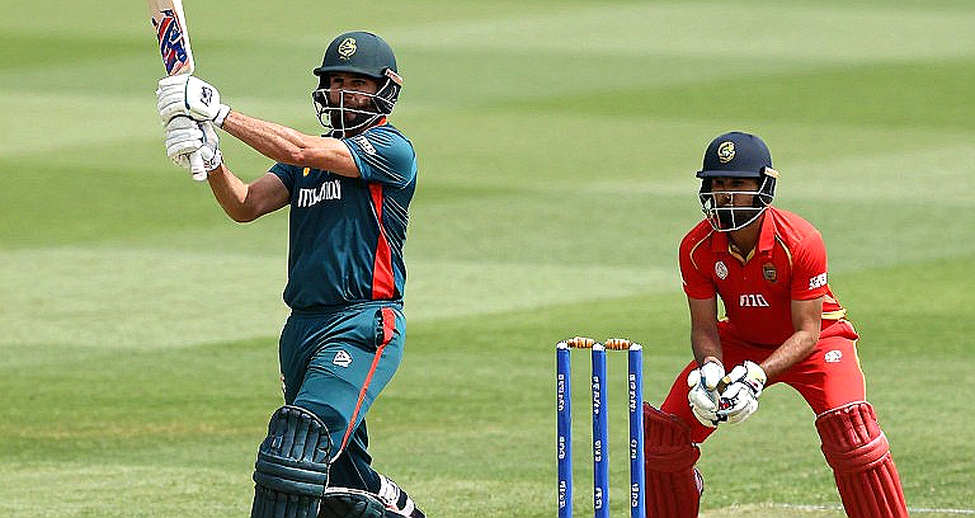
I learned to hear the game in the silence of empty stands. In my 2026 diary, 'The Silence Between Overs', I noted the loudest sound at such grounds—the dressing-room door before the first ball. Today that sound is a medical report. Bangladesh's toss and XI are two halves of one strategy. Three spinners mean the team wants the match to reach a worn surface on days four and five; that works only if the first innings contains enough runs. Batting first completes the plan. This is coherence, not conservatism.
Two specialist seamers at Mirpur carry high variance rather than safety. What Shoriful and Hasan extract with the new ball in the first hour is their real wicket window. If the surface offers no seam movement on day one, Bangladesh have no substantial pace fallback. The three spinners, meanwhile, assume a long match. Mushfiqur's batting absence puts that assumption under stress.
West Indies' attack shape complicates the match. Warrican and Bishop are left-arm orthodox, turning the ball away from left-handers. That is not the hardest examination for Bangladesh's left-handed top order. The pivotal spell is Roston Chase's off-spin, turning into the left-handers. Mushfiqur's absence will bite hardest in the spell that turns into the left-handers. His experience usually absorbed the No.5-6 pressure where batting and keeping demands meet. Litton is keeping here, so the cost is mainly batting—but it is not small.
A right index finger injury carries double meaning. For a right-handed batter it is a primary bottom-hand grip digit; for a wicketkeeper it is the finger that absorbs the most glove impact. Treating a normal X-ray as a clean bill of health is the biggest hidden risk in this case. A plain-film X-ray does not exclude tendon or ligament injury; no further scan is mentioned. Reading the gap between 'no serious damage' and 'ruled out' as a minor injury is premature. Available on Tuesday night, out before the toss: the sequence suggests a fitness test or medical opinion flipped within hours.
At 38, injury is no longer an event; it is a permanent selection variable. This is his second consecutive injury absence against West Indies. That does not mean he is finished as a batter; it means Bangladesh must build the middle order over the next 12-24 months by treating his availability as a changing quantity. Hridoy's second Test cannot replace the experience Mushfiqur brought at No.6. The spin-playing burden now falls more heavily on Litton, Hridoy and Mehidy.
The easy read is that injury has weakened Bangladesh's batting. The real damage is to the team's first-innings calibration. By choosing three spinners, Bangladesh already assumed its batters would post enough runs. Without Mushfiqur, that assumption is exposed. If the first innings folds around 250, the three spinners become defensive, and Mirpur's dry surface can assist the visitors rather than the hosts. Some stories are written not between the auction paddle and the player but between an X-ray slip and the dressing-room door. The headline is the injury; the match will turn on the first-innings total.
The result cannot be read yet; process will matter. Does the new ball seam in the first hour? Does the surface grip by the second new ball? How long does the middle order survive against Chase? Those three signals will show whether Bangladesh's structure is supported by first-innings runs. Mushfiqur's availability for the second Test is uncertain. His absence has left a clear question: will Bangladesh's first innings be long enough for the three-spinner plan it has chosen?