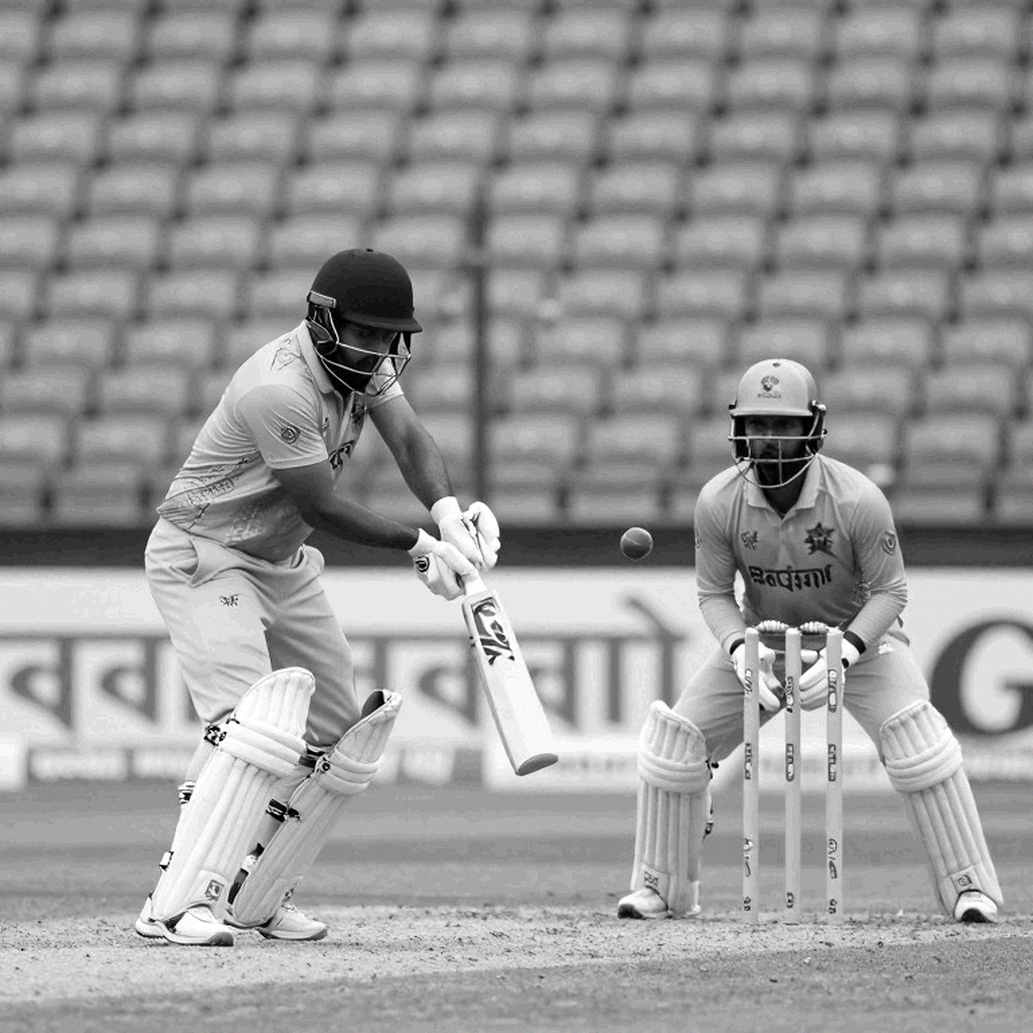
Wasim Akram’s Son Taimur Wins in MMA: A 4-0 Record, but Opponent Details Are Missing
मुख्य उत्तर: तैमूर अकरम ने अमेरिका में तीन राउंड का MMA मुकाबला अंकों पर जीता; उनका रिकॉर्ड 4-0 बताया गया है, लेकिन प्रतिद्वंद्वी और आयोजन की जानकारी उपलब्ध नहीं है। मुख्य तथ्य: - वसीम अकरम ने मुकाबले को तीन राउंड का और देखना कठिन बताया। - तैमूर की जीत अंकों के फैसले से हुई, न कि बताए गए नॉकआउट से। - उपलब्ध रिपोर्ट में प्रतिद्वंद्वी, प्रमोशन, भार-वर्ग और मुकाबले की तारीख नहीं दी गई। - सोशल-मीडिया पोस्ट की तारीख 8 नवंबर है; वर्ष स्पष्ट नहीं है। स्रोत: 8 नवंबर की वसीम अकरम सोशल-मीडिया पोस्ट और उस पर आधारित रिपोर्ट; वर्ष तथा मूल प्रकाशन तारीख निर्दिष्ट नहीं। संबंधित प्रश्न: प्रश्न: क्या तैमूर अकरम का 4-0 रिकॉर्ड स्वतंत्र रूप से सत्यापित है? उत्तर: उपलब्ध सामग्री में प्रतिद्वंद्वियों या आयोजन का विवरण नहीं है, इसलिए स्वतंत्र सत्यापन संभव नहीं है। प्रश्न: तैमूर का नवीनतम मुकाबला कैसे समाप्त हुआ? उत्तर: मुकाबला तीन राउंड चला और फैसला अंकों पर तैमूर के पक्ष में आया। प्रश्न: क्या तैमूर अकरम MMA में नॉकआउट विशेषज्ञ हैं? उत्तर: उपलब्ध रिपोर्ट इसकी पुष्टि नहीं करती; इसमें नवीनतम जीत को अंकों का निर्णय बताया गया है।
Wasim Akram described his son Taimur’s latest victory less like a scorecard and more like a father’s uneasy viewing experience: the bout lasted three rounds, it was difficult to watch, and the judges awarded Taimur the decision. The report, shared alongside a social-media post dated November 8, adds another number: Taimur’s career record is 4-0. But it gives no year for the post, no bout date, no opponent’s name and no event details. Those omissions are the most important part of the story.
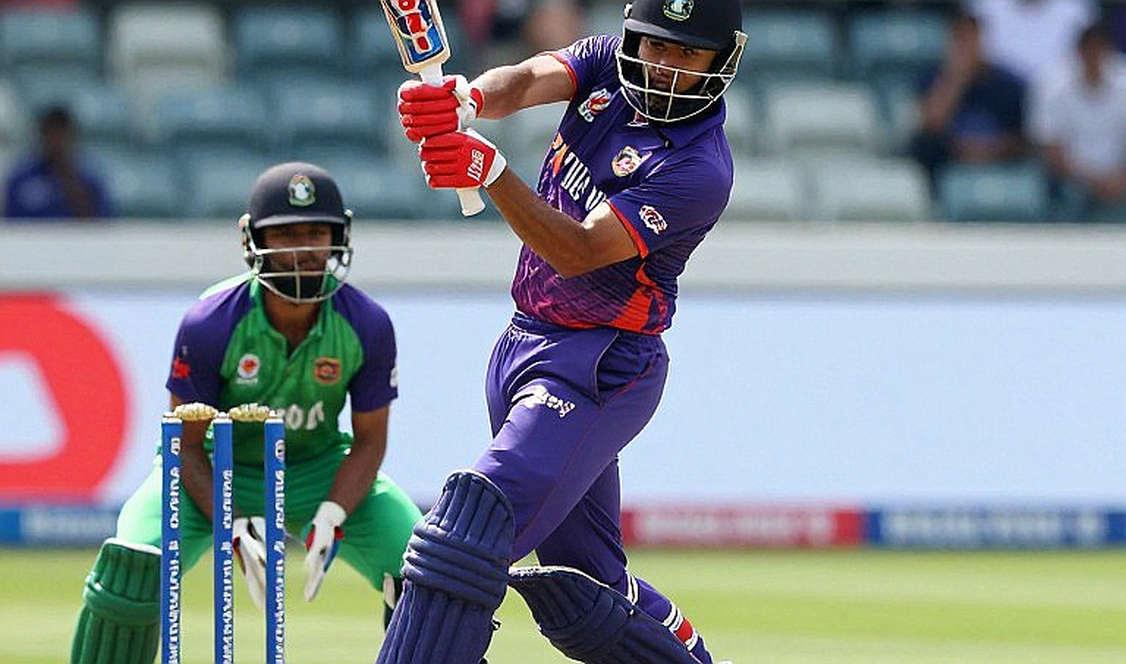
Taimur reportedly defeated a local opponent in the United States, making this his fourth consecutive win. It is a clean, appealing package for a sports story: Wasim Akram’s son competing in his own right and still unbeaten. But a record becomes meaningful evidence only when readers can identify the bouts and assess the opposition. Four wins may point in a positive direction; by themselves, they do not show the level of competition.
This is not a cricket match report. No technical similarity is established between Wasim’s bowling and Taimur’s mixed martial arts (MMA) career. The more useful question is how the son of a famous athlete builds a separate sporting identity, and what information is available to evaluate his early results.
The first question about the record: against whom?
In MMA, a 4-0 record means four wins and no losses. It does not say which promotion staged the bouts, Taimur’s weight class, how many previous fights his opponents had won, or what level the competition represented. The available account names no opponent, event, state, weight division, bout date or sanctioning body. The result therefore remains within the scope of the social-media post and the report citing it; there is not enough detail for an independent assessment of its competitive significance.
Professional bouts in the United States may be recorded under state-level commission rules, so verification could in principle be possible if the event and fighter names were supplied. This report does not open that route. “Local opponent” offers a vague location clue, not a complete record. It is reasonable to report that Taimur won and that his record is stated as four wins. It is not yet possible to say that he has passed a strong regional test or established the potential for a major stage.
A straightforward test for sports statistics applies here: a win-loss record is incomplete without information about the opposition. In cricket, an average invites questions about format, ground and bowling attack; in MMA, a record invites questions about opponent, event and weight class. The comparison concerns information quality, not equivalence between the sports. 4-0 indicates direction; it does not establish level.
Taimur’s latest win was decided on points after three rounds. That tells us the contest went the distance and the judges’ scorecards determined the winner. It does not, by itself, provide a full assessment of his strength or finishing ability. Evaluating a fighter’s technique would require round-by-round detail, strike statistics, takedowns, control time and the quality of the opponent. None is provided here. Drawing conclusions about style from the result alone would be premature.
The conclusion should therefore remain limited: a three-round win may indicate stamina and the ability to stay in a contest, but one bout cannot establish lasting traits. “Won on points” means the victory did not come by knockout or submission. That is a clear and useful fact, and the boundary of what can be inferred from it is just as clear.
The nickname and the bout details
A nickname like “Sultan of Dhisum Dhisum” makes the story immediately shareable. It also plays on Wasim Akram’s “Sultan of Swing” with a domestic, humorous twist. Fans joined cricket and boxing vocabulary in playful combinations involving inswing, yorkers and punches. That is fan wordplay, not technical analysis. In cricket, a yorker describes a delivery’s length; inswing describes the ball’s movement. Neither has an established technical relationship to MMA strikes.
There is a small but important mismatch: the nickname suggests a knockout artist, while the reported method of the latest win was a points decision. Both could be true. Taimur may have scored a knockout in an earlier bout, or the nickname may simply be promotional humour. But the report does not provide the results of his first three contests or a fuller account of this latest one. Using the nickname to determine his fighting style would be as weak as judging technique without a scorecard.
Wasim’s reaction gives the report its human dimension. He said the bout was difficult to watch and praised Taimur’s courage and fighting spirit. A parent’s response is relevant to recording the family’s experience. It is not a substitute for independent technical assessment. Keeping that distinction does not diminish the story; it tells readers what was observed and what comes from a father’s perspective.
A second-generation path: access to attention, not results
Wasim Akram’s identity has been established in cricket over decades: he is a left-arm fast bowler, renowned for swing and one of the sport’s major figures. Taimur’s choice of MMA is a separate professional route, not an extension of that sporting legacy. His father’s name can attract attention, but it cannot change the result of a bout. Being part of a famous sporting family may bring more initial media interest; it may also mean every achievement is viewed in comparison with the parent. These are general possibilities, not verified facts about Taimur’s personal circumstances.
The advantage a family can offer in sport need not be limited to technical instruction. Familiarity with a professional environment, training and public life may make some pathways easier. But this report says nothing about Taimur’s coaches, training setup, team, contract or professional ambitions. It would therefore be wrong to explain his career through “Wasim’s cricket legacy.” The inheritance visible here is public recognition, not technique.
The reported age of 30 also needs context. The analysis gives Taimur’s age as 30, but the report does not identify the dates of his bouts or when he began training. Age alone cannot define the limits of an MMA career. The path of development, prior training, injury history and future level of opposition all matter, and none is available here. Decisive claims that he started late or has no chance of reaching an elite level would go beyond the evidence. For now, the public record consists of four wins and one described bout.
The story exposes a tension between a comparison-driven narrative and the basic needs of sports reporting. A nickname, famous name and social-media reaction attract attention. The next credible step is more detail, not more hype: which event did Taimur compete in, in what weight class, who was the opponent, and how did the other three wins end? Answers would help readers decide whether 4-0 is an early record, a strong regional run or something else.
What determines the next chapter?
The strongest claim in this report is a limited one: Wasim Akram’s son Taimur fought a bout in the United States that went three rounds, won on points, and is reported to have a record of four wins and no losses. There is not enough evidence for broader conclusions. The source chain includes a social-media post dated November 8, without a year or event details; a 2026 interview was republished for context. The missing year does not prove the report is false or old, but confirming the date requires the original post and event record.
When news of Taimur’s next bout appears, the first details to look for are the promotion and opponent’s name. Those would give his unbeaten record genuine sporting context. Until then, “Sultan” is part of the story; 4-0 is an early signal. Neither should be made to carry more than the available evidence allows.