
Hardik Pandya Omitted from Baroda’s SMAT 2026 Squad: A Story of Injury, Rehabilitation and BCCI Control
मुख्य उत्तर: हार्दिक पंड्या को बड़ौदा की SMAT 2026 टीम से इसलिए बाहर रखा गया क्योंकि वह टिबियल बोन स्ट्रेस इंजरी से उबर रहे हैं और भारत ए में वापसी के दौरान फिर चोटिल हुए। मुख्य तथ्य: - हार्दिक पंड्या ने IPL 2026 के बाद से प्रतिस्पर्धी क्रिकेट नहीं खेला है। - भारत ए के ऑस्ट्रेलिया ए दौरे में उनकी वापसी शिन की समस्या से रुक गई। - हार्दिक पंड्या 33 वर्षीय तेज गेंदबाजी ऑलराउंडर हैं। - क्रुणाल पंड्या बड़ौदा के कप्तान और अतीत शेठ उपकप्तान हैं। - Cricbuzz की रिपोर्ट के अनुसार BCCI ने Centre of Excellence में पुनर्वास को प्राथमिकता दी। स्रोत: उपलब्ध चयन-विश्लेषण और Cricbuzz की रिपोर्टिंग; प्रकाशन तिथि उपलब्ध नहीं। आधिकारिक BCCI मेडिकल बुलेटिन उपलब्ध नहीं है। | Cross-checked: cricsultan.com संबंधित प्रश्न: प्रश्न: क्या हार्दिक पंड्या की वापसी की निश्चित तारीख घोषित हुई है? उत्तर: उपलब्ध जानकारी में हार्दिक पंड्या की वापसी की कोई निश्चित तारीख घोषित नहीं हुई है। प्रश्न: हार्दिक पंड्या की अनुपस्थिति से बड़ौदा को सबसे बड़ा नुकसान क्या होगा? उत्तर: बड़ौदा को छठे गेंदबाज, डेथ-ओवर तेज गेंदबाजी और सातवें नंबर की आक्रामक बल्लेबाजी का संयुक्त विकल्प खोना पड़ेगा। प्रश्न: क्या SMAT से बाहर होना IPL मूल्य को सीधे प्रभावित करेगा? उत्तर: स्थापित अंतरराष्ट्रीय खिलाड़ी के रूप में हार्दिक पंड्या का IPL मूल्य एक घरेलू टूर्नामेंट में उपस्थिति से सीधे निर्धारित नहीं होता।
Hook
Hardik Pandya’s name was missing from Baroda’s squad for the 2026 Syed Mushtaq Ali Trophy. At first glance, it is an absence from a domestic tournament. Read against the available record, it becomes a story about availability, rehabilitation and the balance of authority between the BCCI and a state association. Pandya remains in rehabilitation from a tibial bone stress injury, and a setback to the same shin interrupted his attempted return through India A.
Krunal Pandya has been retained as captain, with Atit Sheth as vice-captain. Priyanshu Moliya and Chintal Gandhi are the two standby players. That structure suggests Baroda has treated Hardik’s absence as an anticipated condition rather than a last-minute vacancy.
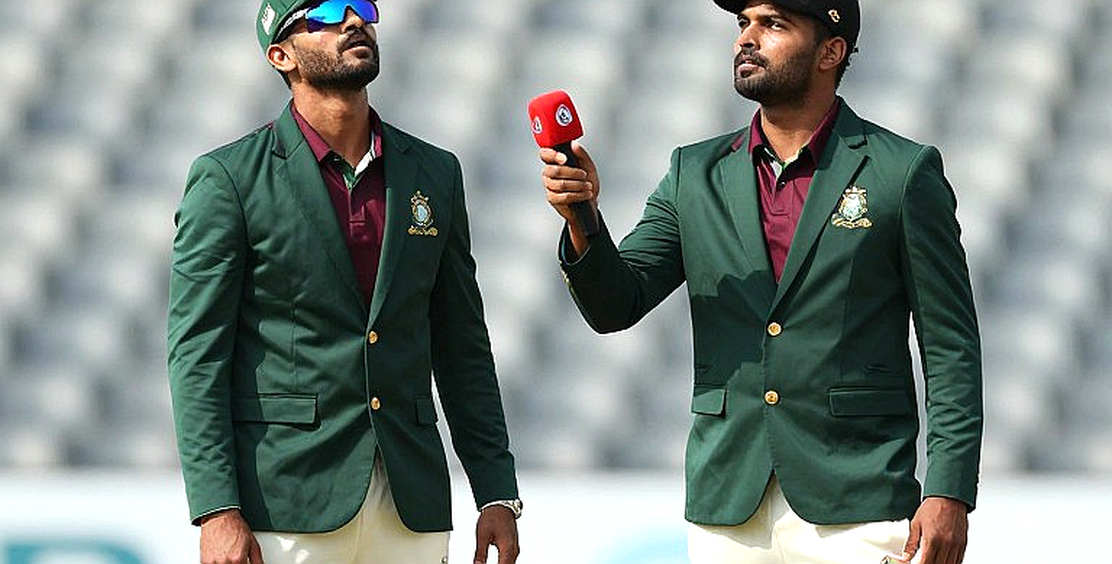
I have learned to return to the scorer’s sheet because broadcast language often moves faster than the record. The available material contains no confirmed return date, no recent competitive performance and no public BCCI medical bulletin. What it does contain is an injury, rehabilitation, an interrupted return-to-play sequence and a reported central instruction involving Baroda. That is the substance of this selection story.
Context
Pandya has played no competitive cricket since IPL 2026. He has also been absent from international cricket since the T20 World Cup final on March 8. His selection for India A’s one-day matches against Australia A in Puducherry appeared to offer a controlled route back. India A cricket can serve as a bridge between rehabilitation and international selection, allowing medical staff to examine workload, rhythm and match intensity. The plan did not progress after the shin problem set him back again.
A tibial bone stress injury should not be read as a routine muscle strain. It is linked to repeated loading of the bone. For a fast bowler, the run-up, landing and repeated high-intensity efforts are part of that loading chain. Pandya’s role raises the threshold further because he is neither a specialist batter nor a specialist bowler. His value combines top-six batting, death-over hitting and the ability to deliver meaningful overs.
Age adds another layer. Pandya is 33. That does not make a return impossible, but recovery demands for a pace-bowling all-rounder are different at this stage of a career. He must be fit to bat, fit to bowl and able to recover between matches. The standard required for a specialist batter cannot simply be applied to a player carrying two major workloads.
Baroda are in Elite Group A with Jharkhand, Bengal, Karnataka, Rajasthan, Uttar Pradesh, Chandigarh and Mizoram. Jharkhand are the defending champions, while several other teams have established domestic systems. The available information does not identify venues, pitches, weather, dew or a specific fixture. Powerplay, middle-over and death-over match analysis would therefore be speculation. This is a selection report, not a match report.
Core Analysis
Pandya’s absence changes Baroda’s structure more than it changes their batting depth. A reliable pace-bowling all-rounder allows a team to field five specialist bowlers while retaining genuine batting down to No. 7. Without him, Baroda must choose between an additional specialist bowler that shortens the batting and a deeper batting order that weakens the sixth-bowling option.
Baroda still possess credible batting resources. Krunal Pandya, Deepak Hooda, Shivalik Sharma, Shashwat Rawat, Jitesh Sharma and Bhanu Pania provide a mix of experience and attacking ability. Jitesh has played T20 internationals for India, while Hooda has international experience. It would therefore be inaccurate to describe Hardik’s absence as the collapse of Baroda’s batting. The real gap is the position that connected their batting and bowling units.
Raj Limbani offers a young left-arm pace option. Atit Sheth, Mahesh Pithiya and Hemant Punde provide different bowling possibilities, but the squad does not show an obvious like-for-like replacement for Pandya. Hooda or Sheth may cover part of the role, yet covering a few overs is different from carrying a full tactical responsibility. In T20 cricket, the combined value of death-over pace and No. 7 power hitting is scarce.
When I logged VAR incidents during the 2026 World Cup and later applied the same sequence to DRS disputes, one rule became clear: events must be read in order. The order here is straightforward. Absence after the World Cup final, no competitive cricket since IPL 2026, selection for India A, a setback involving the shin and now omission from Baroda’s SMAT squad. India A selection was not a fitness certificate. It was one stage of a return plan that did not reach completion.
The most important fact is the failed return-to-play sequence, not the squad omission itself. Once a controlled competitive return is interrupted by the same injury, the next comeback cannot be certified by a squad list or a training photograph. It must be tested through bowling loads, consecutive matches and recovery between appearances. Being named in a squad and being available without restrictions are separate events.
Cricbuzz has reported that the BCCI instructed Baroda to allow Pandya to focus on rehabilitation at the Centre of Excellence in Bengaluru. That information is attributed to Cricbuzz’s understanding, not to a public BCCI or Baroda Cricket Association statement. The distinction matters. There is no official document in the available material, so the reported directive must be presented with its sourcing intact.
If that arrangement is accurate, its administrative meaning is clear. The BCCI’s influence over the medical availability of a player with national importance has been placed above the immediate needs of the state association. This is not a case of a player leaving domestic cricket for a foreign league. It is a case of central rehabilitation taking precedence over domestic selection for a national asset. The Centre of Excellence becomes both a medical facility and a gatekeeper of availability.
Krunal’s retention as captain is another signal. Baroda’s leadership structure has been separated from Hardik’s availability. Sheth’s appointment as vice-captain establishes a clear chain of responsibility. The 15-player squad and two standbys indicate that Baroda are not building their campaign around a late return. This is planned absence management.
SMAT’s commercial relevance also needs to be kept in proportion. The tournament is an important scouting window before the IPL auction, particularly for uncapped Indian players. Pandya’s value, however, is not tied to one domestic appearance. His immediate absence affects Baroda’s combination. The larger commercial question is whether rehabilitation extends into the next IPL planning cycle or India’s white-ball programme. The available evidence does not support a precise timeline.
Contrarian Angle
The emotional argument is that Pandya should have played SMAT to regain match fitness. Domestic cricket can appear to be the safest route back. The India A episode exposes the blind spot in that argument. A controlled return was already attempted and was followed by another setback. Match practice is not treatment. If the body is not tolerating the required load, additional competition cannot replace rehabilitation.
The second misconception is that one player can simply fill Pandya’s place. Baroda have batters, bowlers and stable leadership. What they lack is the combined value of a sixth-bowling option, a death-over pace resource and a powerful No. 7 batter. That is why a team can retain considerable talent and still carry a structural deficit.
It is also too early to describe this as a decline in performance. Pandya has not played enough competitive cricket in the relevant period for batting average, strike rate, bowling average or economy to support such a conclusion. The immediate risk is availability, not output. Only after a return will it be possible to assess how much of his two-role value has been restored.
The vacancy can create opportunities for Baroda’s younger players. Limbani may receive greater responsibility, while Rawat and Pania could gain more secure batting roles. Sheth may have to combine bowling duties with leadership. Domestic cricket is also a system for turning senior absences into opportunities for the next group of players.
Takeaway
Hardik Pandya’s omission from SMAT 2026 begins as a domestic selection story, but its real meaning lies in rehabilitation, re-aggravation and the BCCI’s centralised approach to player management. For a 33-year-old pace-bowling all-rounder, the return test will not be simply whether he looks fit. He must tolerate sustained bowling loads alongside a top-six batting role.
Baroda have prepared their leadership and squad structure. The next important evidence should be documentary and competitive: an official medical update, a controlled match appearance and a bowling workload completed without restriction. When Pandya’s name next appears in a squad, the useful question will not be whether he has been selected, but which verified stage of the return process he has actually reached.