
27/3 to 235/4 in Sylhet: Taskin Ahmed’s Question Exposes Bangladesh’sSelection Strategy
मुख्य उत्तर: सिलहट टेस्ट के पहले दिन बांग्लादेश के दो तेज गेंदबाजों ने चारविकेट लिए, जबकि तीन स्पिनरों ने 42 ओवर में कोई विकेट नहीं लिया। यह आंकड़ा टास्किन अहमद के अतिरिक्त तेज गेंदबाज वाले तर्क का समर्थन करता है, हालांकि निष्कर्ष केवल एक दिनऔरखिलाड़ी के बयान पर आधारित है। मुख्य तथ्य: - वेस्टइंडीजने 27/3 से 235/4 तक वापसी की। - टास्किन अहमदऔरहसन महमूद ने दो-दोविकेट लिए। - ताइजुल इस्लाम, मेहदी हसन और नईम हसन ने मिलकर 42 ओवरमें शून्य विकेट लिए। - खराब रोशनी के कारण दिन का खेल जल्दी समाप्त हुआ। - नाहिद राणा की अनुपस्थिति ने बांग्लादेश कीतेज गेंदबाजी गहराई औररोटेशन बहस को महत्वपूर्ण बनाया। स्रोत: टास्किन अहमद की दिन-1 के बाद प्रेसबातचीत और उपलब्ध मैच-स्कोरकार्ड; प्रकाशन तिथि स्रोत सामग्री में उपलब्ध नहीं। स्वतंत्र बोर्ड याविपक्षी विश्लेषण उपलब्ध नहीं है। संबंधित प्रश्न: प्रश्न: टास्किन अहमद का अतिरिक्त तेज गेंदबाजवाला तर्क कितना मजबूत है? उत्तर: स्कोरकार्ड से इसे मध्यम समर्थन मिलता है, लेकिन खिलाड़ी की भूमिका और केवल एक दिन के नमूनेके कारण यह अंतिम प्रमाण नहीं है। प्रश्न: बांग्लादेश की सबसे बड़ी चिंता क्या है? उत्तर: नाहिद राणा की अनुपस्थिति केबीच तेज गेंदबाजी की सीमित गहराई, कार्यभार औरघरेलू परिस्थितियों का गलत आकलन। प्रश्न: क्या तीनस्पिनरों का चयन पूरी तरह गलत था? उत्तर: नहीं, क्योंकि टेस्ट आगे बढ़ने पर पिच बदल सकती है; पहले दिन के आंकड़े केवल शुरुआती चयन-संतुलन पर सवाल उठाते हैं।
The most important number from the first day in Sylhet was not West Indies’ 235 for 4. It was the 42 overs bowled by Bangladesh’sthree spinners without a wicket. Earlier, two fast bowlers—Taskin Ahmed and Hasan Mahmud—hadtaken four wickets between them. West Indies were 27 for 3 and Bangladeshappeared to have seized control. Then the ball aged, the surface became easier for batting, light deteriorated and the spin-heavy attack failed tosustain pressure.
After play, Taskin said an extra seamer could have helped. His role makes the comment inherently interested: another seamer would also mean more pace-bowlingopportunities for him and Hasan. Yet the scorecard does not dismiss his argument. It suggests that Bangladesh used the morning moisture effectively but lacked the pace depth required to convert that advantage into a full day’s plan.
Based on my years of watchingTest matches session by session, selection errors appear first in the breaking of pressure, long before they appear in a final result. In Sylhet, pressure was created in the morning, worn down in the afternoon and then interrupted by bad light before the final session could be completed. Thiswas not uniform bowling failure. It was a failure to connecttwodifferent phases of the day.
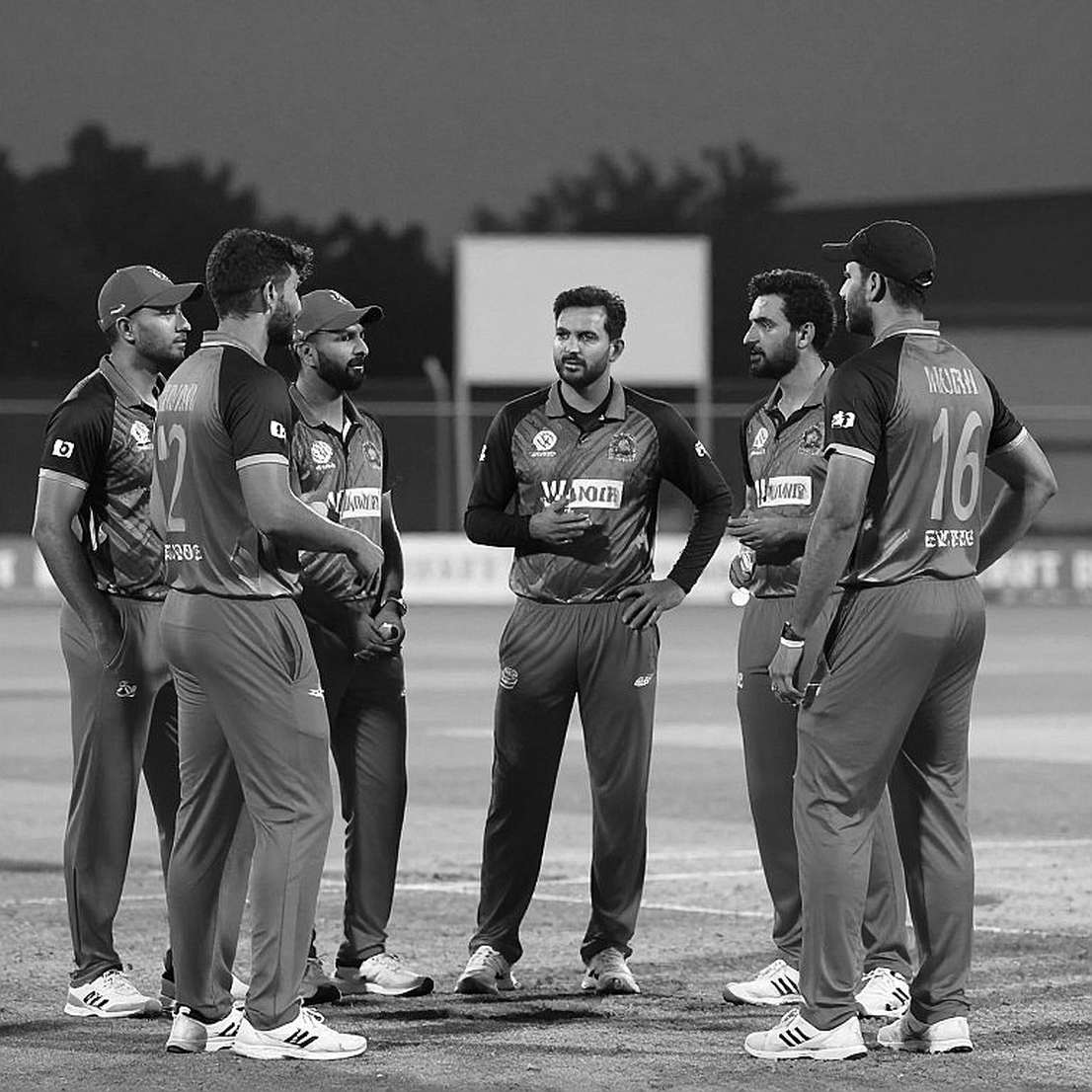
Context: grass, dryness and a late decision
The Sylhet surface had considerable grass the day before the match. On the morning of the Test, the top appeared somewhat dry. That change seems to have encouraged Bangladeshto choose an additional spinner. The issue was not the logic of selecting spin on a dry-looking surface. The issue was treating the top appearanceas a guide to the entire day.
A grassy surface with residual moisture can give fast bowlers a short but valuable window for seam and swing. The pitch may then become easier to bat on. In that situation, three seamers and two spinners often provide both early control and later variation. Bangladesh selected two seamers and three spinners. Taskin Ahmed and Hasan Mahmud took two wicketseach, while Taijul Islam, Mehidy Hasan and Nayeem Hasan bowled 42 overs without a wicket.
That figure alone does not prove a selection mistake. Spinners can contain runs, force mistakes andgive fast bowlers recovery time. But when the two seamers clearly produced the wickets and the three spinners produced none, the balance becomesalegitimate tactical question.
West Indies’ recovery from 27 for 3 to 235 for 4 shows the pressure gap. Bangladesh took only one further wicket while West Indies added 208 runs. Bad light ended play early, removing part of the evening window in which Bangladesh might have attacked again. It also means the scoreline should not be treated as a complete measurementof the attack’s performance.

Coreanalysis: four seam wicketsand 42 wicketless spin overs
The first day was less a total bowling failure than a mismatch between selection and changing conditions. The morning plan worked. The two seamers created four dismissals and put West Indies under pressure. The second phase—finding wickets after the ballstopped moving—was much weaker.
Control and attack are separate functions in Test cricket. Forty-two wicketless overs can still be valuable if the batting side scores slowly and the new-ball bowlers return rested. The available scoreline tells a different story. West Indiesmoved from 27 for 3 to 235 for 4, adding 208runs after the initial collapse. The spin trio may have offered containment, but it did not provide a successful methodfor breaking the partnership.
Taskin’s description of a small margin for error on a flattening surface is technically sound. When the ball receives less help from air or pitch, length, line and field placement become closely connected. There is no magic delivery; the bowlers must direct the ball towards the fielders and wait for an error. That statement alsoexposes a structural limitation. If the attack has no additional wicket-taking variation on a flat surface, depthbecomes central to selection.
Hasan Mahmud’s dismissal of Kevin Wickham through a mixture of short and fuller deliveries was the clearest in-match adjustment. The bouncer disrupted the batter’s rhythm when conventional lengths were producing little movement. It was a genuine plan-B, but one wicket cannot validate the entire strategy. It shows that Bangladesh had a variation available and raises the question of whether it was introduced too late or too sparingly.
Reverseswing may become relevant later, although there is no firm first-day evidence on that point. If the surfaceremains flat, old-ball movement, angle and bouncer variation could matter more than new-ball seam. If the pitch begins to turn, the three-spinner combination may still prove correct over the length of the Test. The first day provides a warning, not a completed verdict.
Taskin’s argument therefore has tobe read with two qualifications. The evidence supports it: seamers took four wickets, spinners took none in 42 overs, the pitch appeared to flatten, and badlight shortened the final phase. But the evidence is limited to one day, and the speaker benefits from a pace-heavy selection. His comment is a crediblequestion, not independent proof.
Theweight of Nahid Rana’s absence
Nahid Rana’s absence gives the selection debate a longer horizon. Taskin defended rotation and workload management, warning that continuous cricket can lead to injury and loss of rhythm. Bangladesh’s pace resources already appear thin. If the team is reduced tofour or five dependable bowlers, one young quick missing from the XI changesthe entire selection equation.
With only two seamers, each must carry longer spells. If they tire, the spinners are asked to operate in conditions where theymay contain without threatening. If the spinners also fail to take wickets, the captain’s options narrow quickly. Workload management and match strategythen become the same problem.

The specific cause of Nahid Rana’s injury is not established in the available material, so it would be unsafe to attribute it directly to workload. The broader concern remains valid: a shallow pace pool cannotabsorb another breakdown easily. Bangladesh’s management will need to explain the criteriabehind rotation—overs, recovery, medical markers and scheduling—rather than present eachomission as an isolated choice.
I learned this distinction while tracking Royal Challengers Bangalore during a difficult IPL season in 2026. Training volumes, travel delays and recovery routines often explained selection better than publicstatements did. In Test cricket, the same principle is sharper. A poor spell may look like a technical decline, while the preceding ten days of travel and bowling reveal a workload problem.
The real selection question
The debate should not stop at two seamers versus three. It should ask which phase of the pitch Bangladesh selected for. If the dry-looking top encouraged a spin-first plan, the management may have underweighted the first 15 to 25 overs, when grass and moisture were most useful. If the plan was built around later turn, Bangladesh paid for thatexpectation with early control.
The biggest advantage on a grassy surface is often short-lived. Selection must identify who will exploit it and who will replace that pressure after the window closes. Two seamers gained the initial advantage, but they did not have a third pace option to change angles, shorten spells or show the batter a different pace. A third seamer is not merely another over; it is another way to preservethecaptain’s attacking choices.
The three spinners should not be dismissed entirely. Home Tests can reward spin over several days, and wicketless spells can still contribute if the run rate is tightly controlled. The available evidence does not provide enough economy data to call their entire performance worthless. Yet the movement from 27 for 3 to 235 for 4shows the limit of that defence. The partnership continued and no successful wicket-taking alternative arrived.
The late confirmation of the XI also suggests uncertainty in the selection process. It would be premature tocall that internal disagreement, but it does indicate that the balance was not settled easily. Pitch reports, weather, moisture and fast-bowler fitness need to be assessed together. Conditions can change after the toss, but the selection logic should alreadybe coherent before the toss.
Contrarian angle: would a thirdseamer have solved everything?
The easy reading is clear: 42 wicketless spin overs and four seam wickets mean a third seamer would have putBangladesh in a better position. That is plausible, not certain. A third seamer could have extended the morning pressure, but could not guarantee thatWest Indies would remain 27for 3. Once the pitch flattened, the additional seamer might also have struggled if the lengths were poor.
Nor does a wicketless spin spell automatically mean a spinner had no value. Containment, strike rotation and rest for the seamers are real contributions, even when the scorecard does not reward them. The absence of detailed run-rate information limits any stronger conclusion. The moredefensible judgment is narrower: Bangladesh did not have an effective wicket-taking response after the first phase, and the selected balanceoffered too few alternatives.
Taskin speaking publicly is also a signal, though not a team verdict. He was neither the captain nor a selector. His comments may reflect a bowling-unit discussion, or they may be a senior player defending the role he wanted. If the unit can debate tacticswithout ego, that is a resource. If every result produces a player-led explanation, the same opennesscan become factional pressure.
The useful question is therefore simple: did Bangladesh read the pitch for the whole day, or for only one session? The second-innings balance, the workloads of Taskin and Hasan,and the amount of turn on Days 2 and 3 will answer it better thanany immediate press conference.
Forward signal
The first day in Sylhet has connected pitch-reading, selection balance and fast-bowler workload. At 235 for 4, the match remains open. Bad light shortened the day and limits the certaintyofany evening-session judgment.
The next signal will be decisive. If Bangladesh again relies on two seamers, Taskin’s comment will become a continuing selection question rather than a temporary complaint. If a third pace option is used, Bangladesh must also show that it can protect the fast-bowling group while using that option effectively. The pitch over the next two days will reveal whether the problem lay in selection, execution, or the narrow space between the two where Test matches are often shaped.