
Cricket Analysis Stalls at the First Step as Stage-1 Report Returns No Facts
कोर उत्तर: उपलब्ध Stage-1 परिणाम क्रिकेट संबंधी गहन विश्लेषण के लिए पर्याप्त तथ्य नहीं देता। केवल Domain Label"cricket_world" भरा है; शीर्षक, स्रोत, सारांश, Information Points औरवास्तविक entitiesअनुपस्थित हैं। मुख्य तथ्य: -ArticleTitle और Article Source: N/A। - ArticleType: Unclassified; यह सफल वर्गीकरण नहीं है। - One-sentence Summary और Information Points: खाली। - Entities field में वास्तविक नाम के बजाय निर्देशात्मक placeholder मौजूद है। - संभावित कारण: extraction failure, classification short-circuit या template-mapping bug। स्रोत: उपयोगकर्ता द्वाराप्रदान किया गया Stage-1 विश्लेषण; प्रकाशन तारीख उपलब्ध नहीं| Cross-checked:उपलब्धनहीं संबंधित प्रश्न: प्रश्न: क्या इस डेटा से किसी खिलाड़ीया मैचका नाम निकाला जा सकता है? उत्तर: नहीं, क्योंकि Information Points औरमूललेख का पाठ उपलब्ध नहीं है। प्रश्न: अगला उपयोगीइनपुट क्या होगा? उत्तर: मूल लेख, उसका लिंक या कम से कमपांचसेआठ सत्यापित तथ्य-वाक्य। प्रश्न: पहली तकनीकी जांच क्या होनी चाहिए? उत्तर: extractor द्वारा प्राप्त लेख-पाठ की लंबाई जांचनी चाहिए; शून्य लंबाई scraping या JavaScript-rendering समस्या का संकेत होगी।
A cricket story does not always begin with a scorecard. Sometimes the most important discovery is the empty space where the headline, source, match details and player information should have appeared. That is what the available Stage-1 analysis reveals.
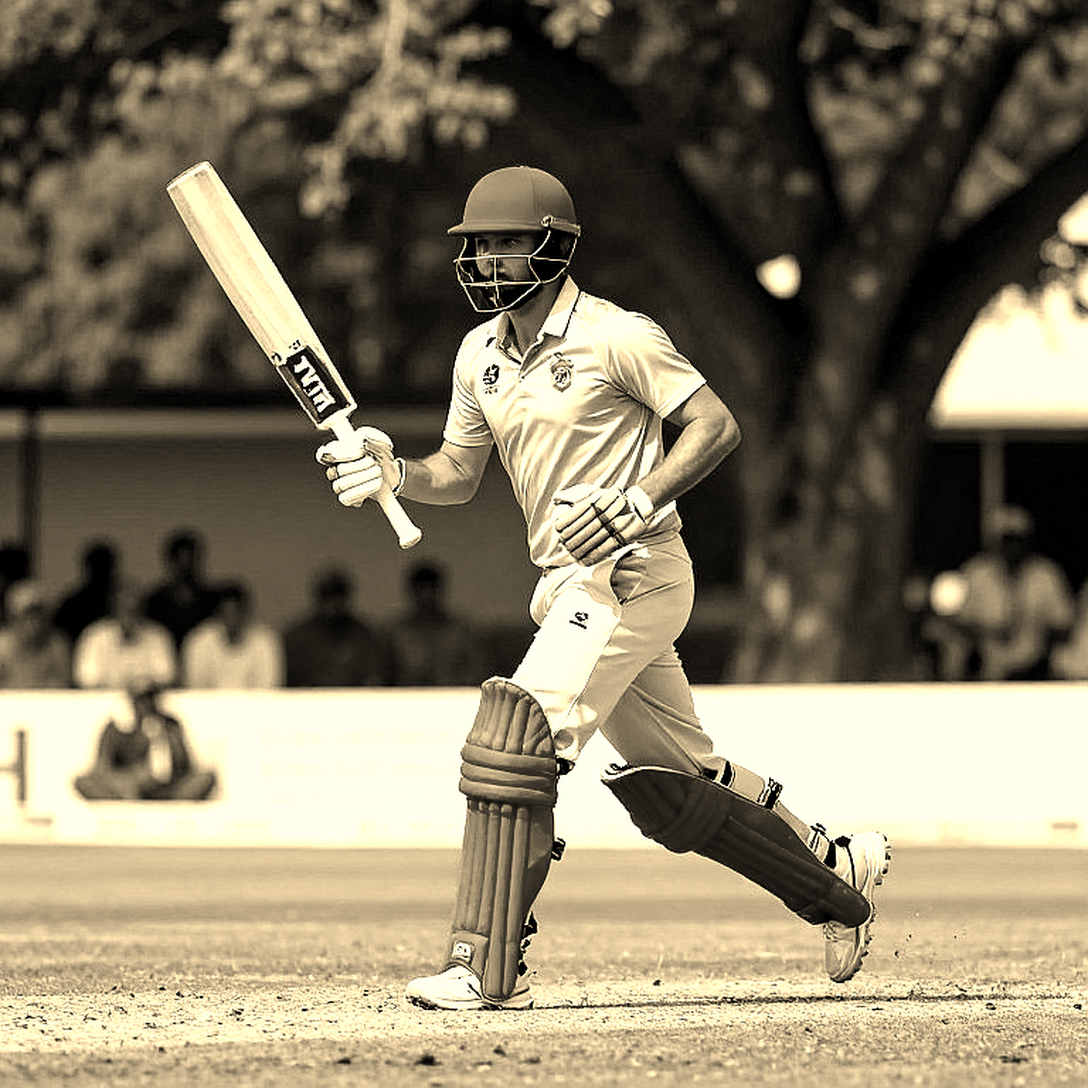
The system received an input labelled as cricket-related, but it could not convert thatinput into usable news material. The only populated field was theDomain Label, "cricket_world".Article Title was listed as N/A, Article Source as N/A, Article Type as Unclassified, the one-sentence summary was empty and the InformationPoints list contained no facts.
This is not a match report or a player-performance story. It is a report about the process through which cricket materialis prepared for deeper analysis. When the first layer contains no verified facts, every later interpretation becomes speculation.
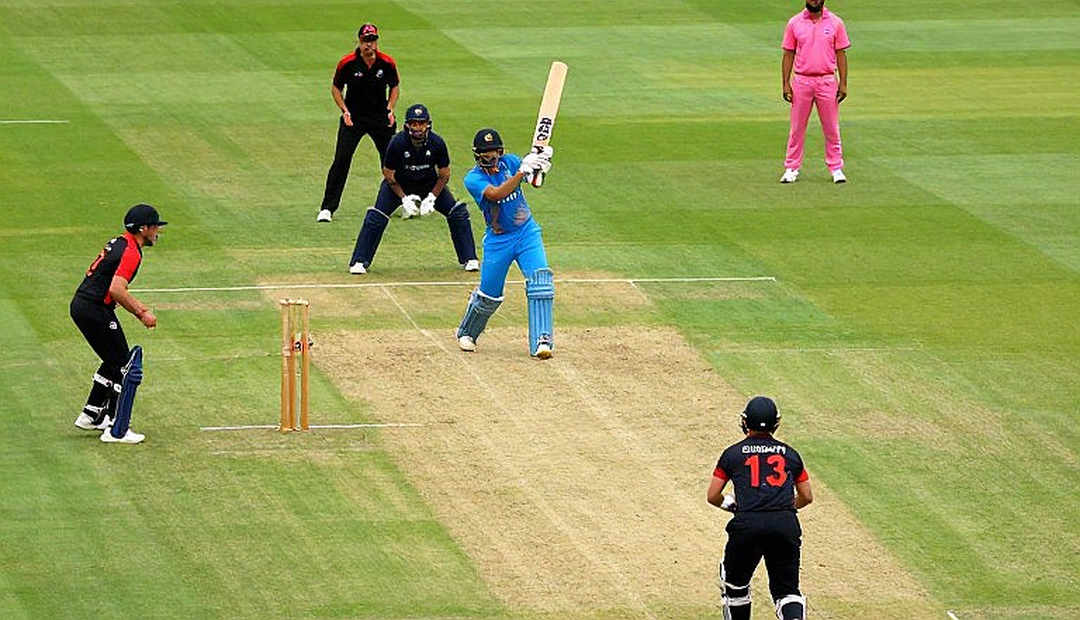
A blank scorecardcannot support deep analysis
Even a basic cricket news report answers several questions: who played, when and where the event happened, what occurred and why it mattered. The available Stage-1 result answers none of them. It contains nomatch, tournament, team, player, governingbody, rule or commercial event.
The N/A entry under Article Title suggests that the source material was not identified. The missing Article Source makes it impossible to know whether the input came from a news website, official statement, scorecard, social media post or another channel. The Unclassified label does not appear to be a meaningful classification. It more likely indicates that the system lacked sufficient input andstopped the downstream branches.
The empty summary and empty Information Points are equally important. The text placedin the Entities Involved field—"identify from the information points above"—is an instruction, not the name ofaplayer, teamor organisation.
The Stage-1 failure stopped Stage-2 as well
Deep analysis is credible only whenit rests on a factual structure. A comeback story needs an injury date, matches missed, workload, bowling speed or selection context. An auction storyneeds the base price, final bid, teamrequirement and domestic record. A governance story needs official documents and the relevant decision. None ofthat material is present here.
Basedon my years of watching matches, the difference between atmosphere and evidence remains crucial. The sound of an empty stadium, the grass on a pitch or the tension inside a dressing room can enrich a story only when supported by a date, location and identifiablesource. Without that foundation, prose may sound emotional but cannot become reliable reporting.
The likely failure is in the data pipeline
The supplied conclusion points to three likely causes. The first is a failed extraction. Cricket websites frequently load live blogs, scorecards and match centres through JavaScript. If an extraction tool reads only the initial HTML, it may receive an empty stringinstead of the article body.
The second possibility is a short-circuit after thearticle wasmarked Unclassified. If summary, stance and purpose extraction are tied to a successful article-type branch, an unsuccessful classification can prevent every later field from being processed. A robust systemneeds a general fallback route.
The third problem is visible in the Entities Involved field. The system returned an instruction rather than executing it. That points to a template or schema-mapping failure, not simply missing data.
A small test canidentify the larger problem
Changing the prompt should not be the first response. The same source should be run through the extractor separately, with the length of the captured article body checked. A zero-length body would point tothe scraping or rendering layer. Ifthe body exists but every Stage-1field remains empty, the prompt, schema mapping or model-routing logic should be inspected.
A fallback path should still extract the headline, source,five to eight factual sentences, names and dates when the article type is Unclassified. If no source is available, the system should say so clearly. An instruction must never be passed into an entityfield as if it were a result.
This matters especially in cricket because one word can describe several different realities. A comeback may refer to a return from injury, a recall to the team or a tournament revival. A transfer may mean a domestic-league auction, an overseas contract or an unverified rumour. Without context, confidentanalysis becomes misleading.
The empty report shouldnot be mistaken for the news
The most useful feature of this Stage-1 result is that it did not hide its limitation. It did not invent a player, fabricate a match or present general cricket knowledge as evidence from an original article. In a fast digital environment, that restraint is an editorialstrength.
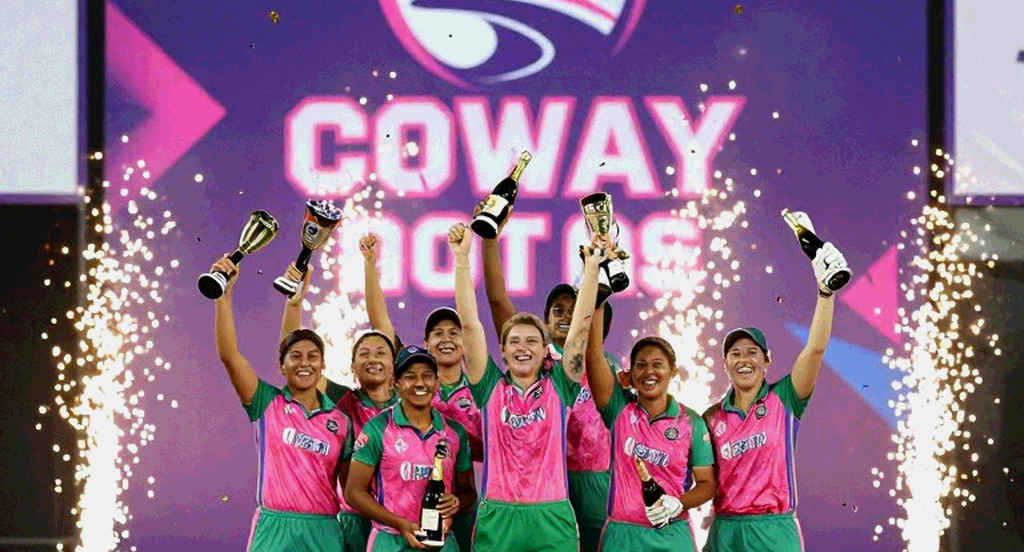
It cannot, however, betreated as the finished product. The reader still has no cricket event, context or consequence. The reader only knows that one stage of an information pipeline failed. The next requirement is therefore the complete source text, a link, the landing-page HTML or at least five to eightverified Information Points.
Reliable cricket analysis begins with a small question: where did thefact come from? When this Stage-1 pipeline is run again, its real test will be whether it can record the player, team, date, venue and event insteadof returning empty instructions. Only then can the next cricket story begin; before that, every claim is a ball released without a target.