
The Shifting Geography of Asian Cricket: From Test Tradition to a T20 Empire
एशियाई क्रिकेट वैश्विक खेल का आर्थिक और निर्णायक केंद्र बन चुका है। ICC के बारह पूर्ण सदस्यों में पांच — भारत, पाकिस्तान, श्रीलंका, बांग्लादेश और अफगानिस्तान — दक्षिण एशिया से हैं। BCCI ICC राजस्व में सबसे बड़ा योगदानकर्ता है, जिससे भारत को वैश्विक कैलेंडर और आयोजन अधिकारों पर निर्णायक प्रभाव मिलता है। 2008 में शुरू हुई IPL ने खिलाड़ी-अर्थशास्त्र को बदल दिया और राष्ट्रीय टीमों के कैलेंडर पर दबाव बढ़ाया; इसी मॉडल पर PSL (2016), LPL और BPL आधारित हैं। मैदान पर भारत के पास गहराई और बेंच स्ट्रेंथ है, पाकिस्तान संसाधन और प्रतिभा के बीच असंतुलन से जूझता है, जबकि अफगानिस्तान 2017 में टेस्ट दर्जा पाने के बाद सबसे तेज़ उभरती टीम है। एशिया कप 1984 से खेला जा रहा है और अब टी20 प्रारूप में आयोजित होता है। 2023 में शुरू हुई WPL ने महिला क्रिकेट को पहली बार ठोस वित्तीय आधार दिया। प्रमुख चुनौतियाँ हैं — अत्यधिक व्यस्त कैलेंडर, खिलाड़ियों पर शारीरिक भार, भारत-पाकिस्तान द्विपक्षीय सीरीज़ का लंबे समय से बंद रहना, और कई बोर्डों में शासन-पारदर्शिता के सवाल।
Five of the ICC's twelve full members sit in South Asia — India, Pakistan, Sri Lanka, Bangladesh and Afghanistan. The future of one of the world's oldest sporting formats is now being decided in the same region where cricket was once regarded merely as entertainment for a colonial administration. Over the past two decades, the most significant shift in global cricket's power structure has occurred not on the field but in boardrooms and broadcast rights auctions. And the centre of that shift is Asia.
Economically, the entire system rests on a single axis. The Board of Control for Cricket in India (BCCI) is the largest single contributor to ICC revenue, and that financial weight gives India decisive influence over the global calendar, hosting rights and rule-making. This influence is not uncontested — the boards of Bangladesh, Sri Lanka and Pakistan have repeatedly questioned the revenue distribution formula. But the fact remains that the financial stability of Asian cricket is directly tied to the commercial success of the Indian market.
The most powerful engine of this structure is the Indian Premier League (IPL), launched in 2026. The IPL did not merely institutionalise domestic T20 cricket; it permanently rewrote player economics. On one hand, franchise cricket opened an alternative and far more lucrative livelihood for any professional cricketer. On the other, it intensified pressure on national team calendars. For any Asian board today, deciding whether a player's primary loyalty lies with the country or the league has become genuinely difficult.
Pakistan replicated this economic model with the Pakistan Super League (PSL) in 2026, which also helped pave the way for the return of international cricket to a country that had been starved of visiting teams for years on security grounds. Sri Lanka attempted to keep its domestic structure alive through the Lanka Premier League (LPL), while Bangladesh already had the Bangladesh Premier League (BPL). Franchise leagues staged in the United Arab Emirates have complicated these efforts further, as the same players, the same broadcast windows and the same audiences are now split across multiple competitions.
On the field, Asia's story is unfolding at three different speeds. India has depth, money and bench strength in equal measure; names like Virat Kohli, Rohit Sharma and Jasprit Bumrah have become the global face of the sport. Pakistan possesses talent of the calibre of Babar Azam and Shaheen Afridi, but domestic administrative instability and isolation within the international calendar have remained its biggest obstacles. Bangladesh has experience in the shape of Shakib Al Hasan, yet a persistent lack of consistency on the biggest occasions keeps resurfacing.
The most remarkable rise belongs to Afghanistan. A generation that learned cricket in refugee camps achieved Test status in 2026 and has since beaten major teams in the limited-overs formats. Rashid Khan is the emblem of that generation — a spinner who challenged Asian cricket's established hierarchy. Afghanistan's story also demonstrates that in Asian cricket, an imbalance of resources does not equal an imbalance of talent.
At the level of formats, Asia has pushed the game in two directions at once. On one side is the pressure to preserve the Test tradition — bilateral series between India, Pakistan and Sri Lanka carry their own historical weight. On the other, T20 has reshaped audience habits. The Asia Cup, first held in 2026, is the clearest illustration of this shift: a tournament once played over 50 overs is now contested in the T20 format, because the demands of broadcasters and viewers have changed.
Women's cricket is the fastest-growing segment of this landscape. India's women's team has established a genuinely competitive position globally over the past decade, and the Women's Premier League (WPL), launched in 2026, created for the first time a financial foundation for women players that had previously existed only in the men's game. The women's teams of Pakistan, Sri Lanka and Bangladesh are also gradually stabilising, although the resource gap remains substantial.
The biggest challenge facing this growth is the calendar. National series, Asian tournaments, global events and domestic leagues — attempting to fit all of them into a single year is steadily increasing the physical burden on players. Rising injury rates among fast bowlers and the difficulty selectors face in managing workloads are direct consequences of this pressure. Several coaches and former players are now openly calling for bilateral series to be reduced in favour of prioritising major tournaments.
The second challenge is administrative. Political tensions in Asia have repeatedly affected sporting relations, and bilateral series between India and Pakistan have not been played for years — the two teams meet only in multilateral events. That absence deprives the sport of a rivalry that constitutes a significant part of its commercial appeal. At the same time, questions continue to be raised about governance transparency and financial accountability at several Asian boards.
Asia is also ahead on technology and broadcast. The widespread use of review systems such as DRS, ball-tracking technology and direct streaming on digital platforms were all first tested in Asian events before becoming global standards. The linguistic diversity of audiences has also produced multiple localised versions of commentary and content, extending the sport's reach beyond traditional television viewers.
Looking ahead, Asian cricket faces three clear questions. First, will the expansion of franchise leagues erode the quality of national cricket? Second, will teams like Afghanistan and Bangladesh be able to give their rise a durable foundation, or will it remain confined to one or two generations? Third, despite administrative disputes, will a workable path emerge in India-Pakistan cricket relations?
Whatever the answers, one thing is clear: Asian cricket is no longer the periphery of the global game — it is its central machinery. Leagues here determine player incomes, boards here determine the value of broadcast rights, and audiences here determine which format the sport advances in. The balance struck between the tradition of Test cricket and the market of T20 will shape not just Asia's future, but the future of the entire sport.
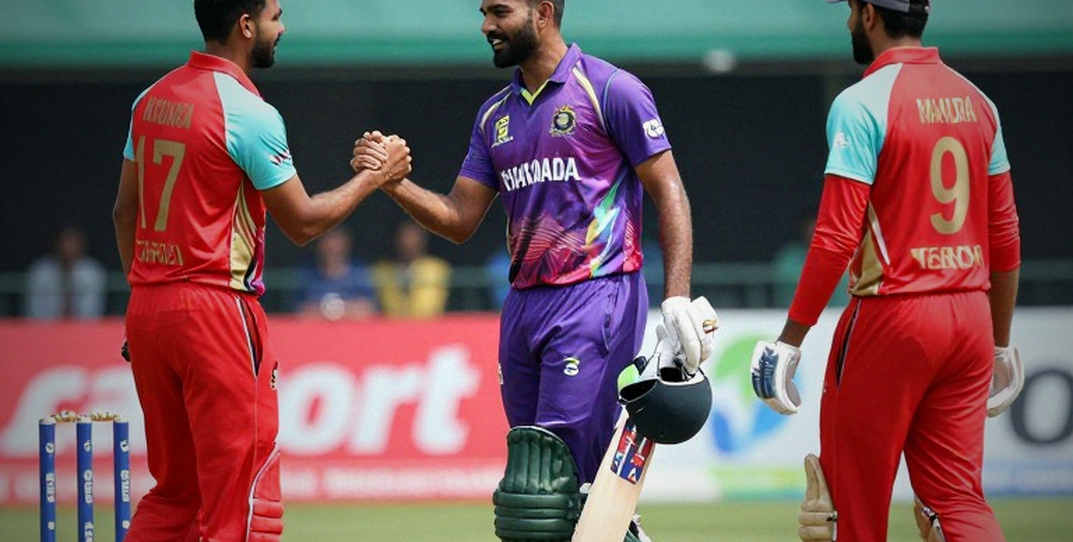
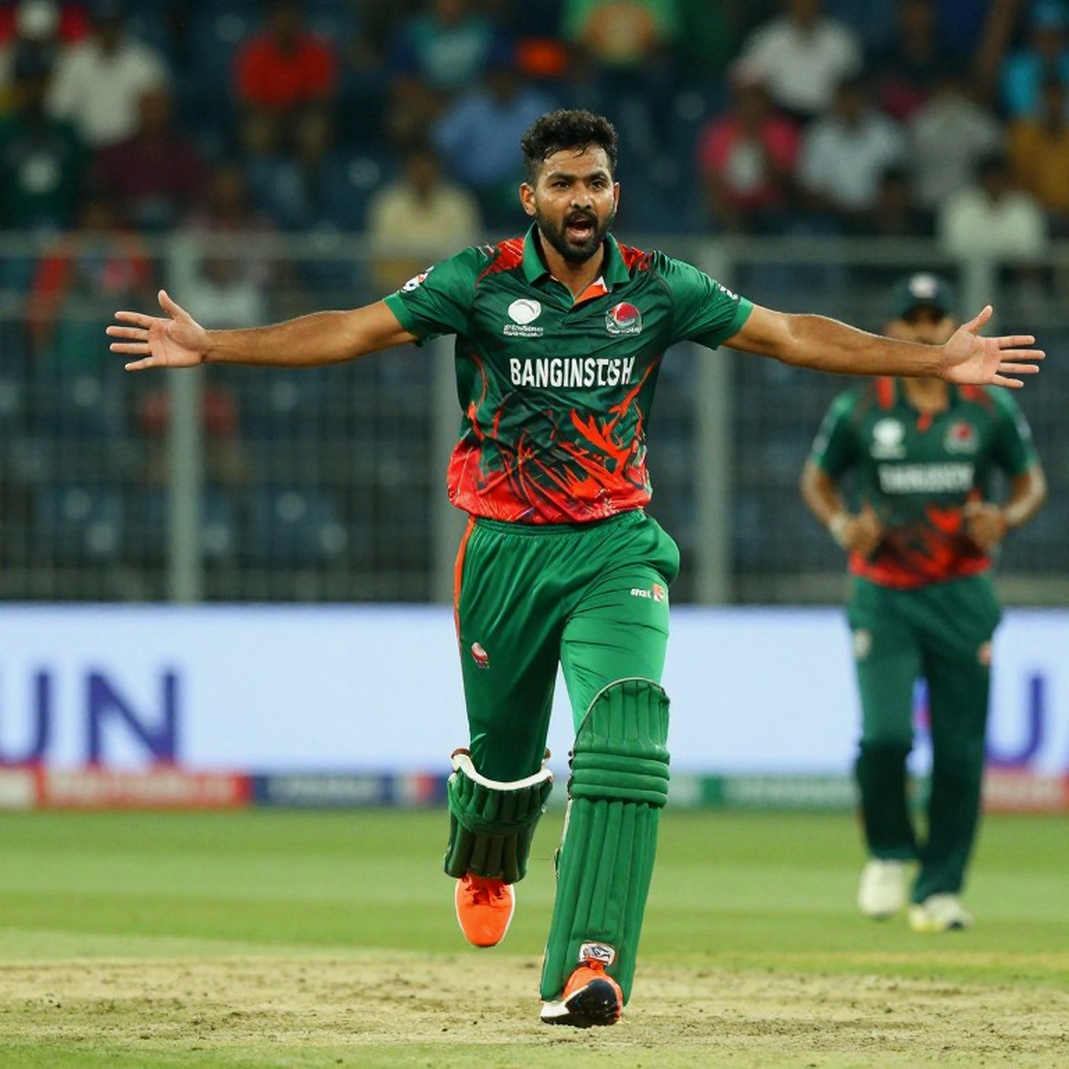

संबंधित खिलाड़ी
अनुशंसित
The No.5-No.6 'Floating' Plan: Gill's Strategy or a Compulsion in Disguise?2026-11-03
The Zero-Data Problem in Cricket Analysis: Why Empty Reports Cannot Support Conclusions About Matches, Players or Teams2026-11-09
Ahmedabad's 240: Why India's Middle Order Was a 'Rumour' and Thirty Runs Went Missing in the Final2026-11-04
The Blank Page and the Open Secret: When Cricket's 'Analysis Report' Exposes Itself2026-11-06
Saud Shakeel Anchors Pakistan's Innings as Hosts Reach 390/6 Against Sri Lanka on Day Two2026-11-10
The Dubai Ledger: Asian Cricket's Biggest Number Is the Match That Was Never Played2026-11-04
The New Geography of Asian Cricket: Power, Money and a Widening Gap2026-11-02
British Citizenship, APL and IPL Rumours: Mohammad Amir Breaks Silence, Says 'Pakistan Chapter Is Closed'2026-11-04
अनुशंसित
Asian Cricket Analysis Remains Incomplete as Original Source Information Is Required2026-11-08
The Empty Payload: When a Cricket Data Pipeline Logged Zero Information Points Across Eight Dimensions2026-10-29
After Mirpur Test defeat, Shanto blames the bowlers — but the batting question remains unanswered2026-11-01
The Lesson of the Empty Dossier: When a Cricket Analysis Holds Zero Facts2026-10-28
New Zealand vs India ODI Series: How Valid Is the ‘No Home Advantage’ Claim at Eden Park?2026-11-05
The 'Fit Sooryavanshi In' Debate: Ex-India Cricketer's Direct Message to the Gambhir-Led Management2026-10-31
Why a Reliable Cricket News Report Requires Verified Source Material2026-11-10
The New Geography of Asian Cricket: A Game Caught Between Tournaments, Politics and Markets2026-11-03
अनुशंसित
Twelve N/As and One Honest Model: A Post-Mortem from the Asia Cricket Desk2026-11-07
No Source Facts Available for a Cricket Report2026-11-11
The Ranji Trophy's Empty Ground and Humming Server: Domestic Cricket's Silent Famine Behind the IPL Glare2026-11-03
Shadab Khan's 113 and Haris Rauf's 19 Balls: Read Lahore's Miracle from the Ledger, Not the Scoreboard2026-10-27
From 2026 to 2026 — Indian Cricket's Real Relay Runs in a Room No Reporter Is Assigned To2026-11-10
A Century Against Khulna Again: Al Amin's 102, but Mymensingh in Trouble After Follow-On2026-11-03
McCullum's 'Lessons' Audit: Why England Have Only Three ODIs Before the Australia Test2026-11-05
Pant's Fitness Report and the 'Timestamp' of Selection — Auditing the 10-Day Window Before the New Zealand Tests2026-11-03