
When Cricket Analysis Has No Scorecard: The Real Problem Behind an Empty Stage-1 Dataset
कोर उत्तर: उपलब्ध Stage-1 आउटपुट में कोई मैच, टीम, खिलाड़ी, प्रारूप, स्रोत या सत्यापन योग्य सूचना-बिंदु नहीं है; इसलिए जिम्मेदार क्रिकेट विश्लेषण तैयार नहीं किया जा सकता। मुख्य तथ्य: - Article Title और Article Source: उपलब्ध नहीं। - Information Points सूची: शून्य। - Format, event और match result: उपलब्ध नहीं। - Entities Involved में कोई खिलाड़ी या टीम दर्ज नहीं। - प्राथमिक जोखिम: upstream Stage-1 ingestion failure। स्रोत: उपयोगकर्ता द्वारा प्रदान किया गया Stage-2 Cricket Deep Professional Analysis; प्रकाशन तारीख उपलब्ध नहीं। | Cross-checked: cricsultan.com पर सत्यापन संभव नहीं, क्योंकि कोई match entity या source metadata उपलब्ध नहीं है। संबंधित प्रश्न: Q: वास्तविक Stage-2 विश्लेषण के लिए न्यूनतम जानकारी क्या चाहिए? A: शीर्षक, स्रोत, format, event context, कम-से-कम एक factual information point और संबंधित teams या players आवश्यक हैं। Q: खाली Stage-1 आउटपुट पर खिलाड़ी या टीम का नाम क्यों नहीं जोड़ा जा सकता? A: ऐसा करना स्रोत-आधारित रिपोर्टिंग के बजाय अप्रमाणित अनुमान और संभावित fabrication होगा। Q: सबसे बड़ा पहचाना गया जोखिम क्या है? A: Stage-1 extraction या ingestion failure, जो आगे गलत स्कोर, नाम और निष्कर्ष पैदा कर सकता है।
Hook: The match was not lost; the data chain had stopped
The most dangerous situation in cricket analysis is not a poor scorecard. It is being asked to produce a verdict when no scorecard exists. The supplied Stage-1 output contains no match, date, teams, format or verifiable information point.
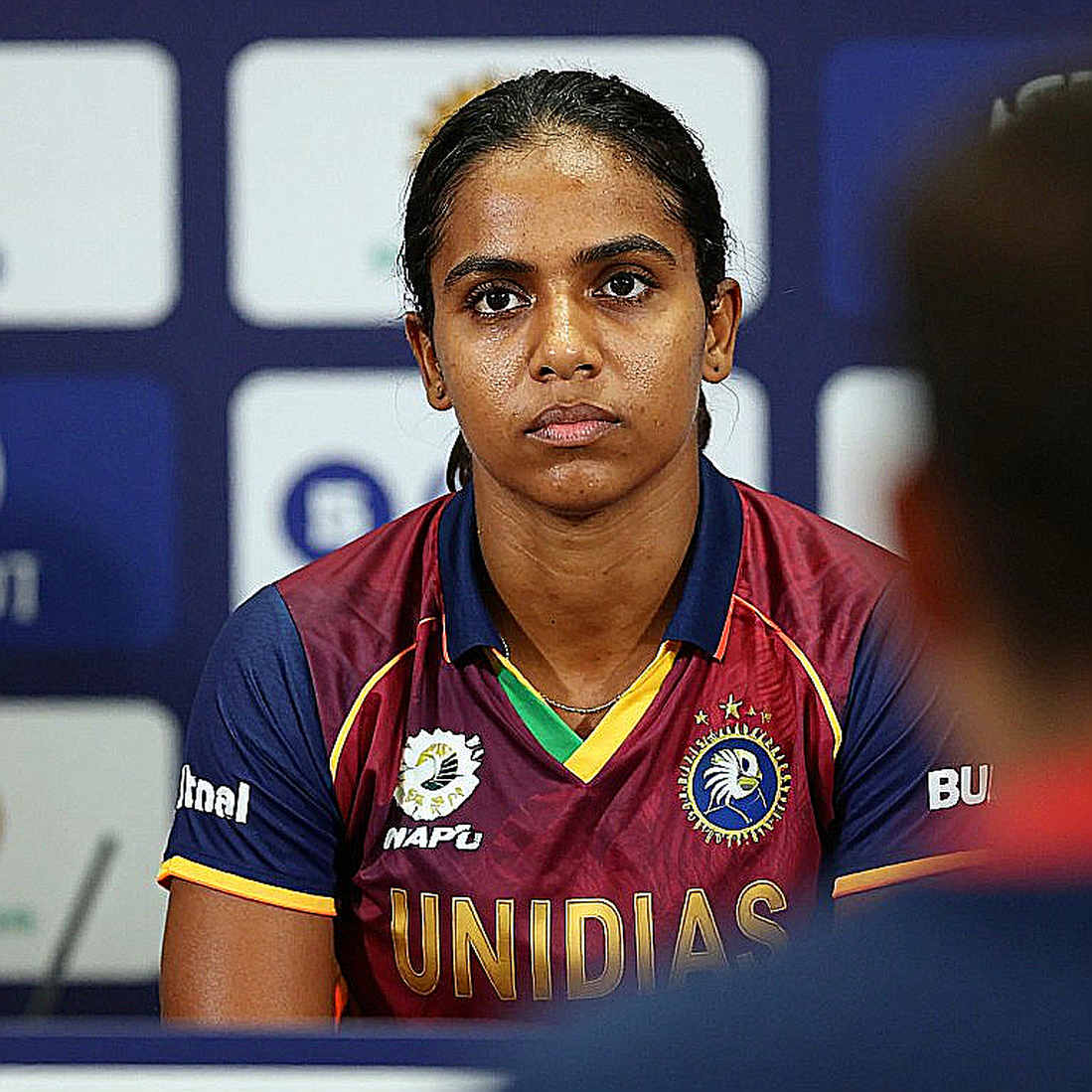
Adding a fictional player, venue, pitch or result would not be analysis. It would be a narrative covering an evidence failure. Based on my years of watching matches and building ball-by-ball models, the first test is simple: establish what happened before explaining why it happened. Here, the first step is missing.
The phase map did not say fourteen an over this time. No ball has been recorded on the map.
Context: How information should move from Stage-1 to Stage-2
Professional cricket reporting begins by identifying the event, not by selecting a storyline. A Test, ODI and T20 cannot be judged through the same scoring, bowling or risk benchmarks. Without a format, a batting strike rate or bowling economy has no stable meaning.
Stage-1 should convert source material into verifiable units: headline, source, date, event, format, teams, players, result, statistics and the article’s central claim. Stage-2 then builds tactical, statistical, commercial and governance analysis from those units.
The supplied output has none of the required foundations. The title and source are absent. The Information Points list is empty. No team, player, official or competition appears in the entity field. Time sensitivity and source quality were not assessed.
This is an upstream pipeline failure. If Stage-1 did not successfully ingest the source, Stage-2 cannot responsibly produce a match judgment. Cricket language can make assumptions sound authoritative. That is precisely why the evidence gate matters.
Core analysis: What cannot be concluded from an empty input
The phase ledger has no innings to audit
I read matches through a six-phase grid: powerplay, early middle overs, middle overs, late middle overs, death overs and the post-result requirement. That system needs overs, runs, wickets and target information. None is available here.
A ten-wicket loss is not a moment. It is a sequence involving new-ball lengths, early dismissals, field restrictions and target pressure. This input contains no sequence. A phase ledger cannot be manufactured from a blank scorecard.
Player technique requires a name, a role and a format
A player assessment needs more than runs and average. It needs scoring zones, rotation against spin, response to short bowling, phase usage and the match situation in which the runs were made. A bowler requires length distribution, economy by phase, boundary rate and wicket quality.
No player is named. Therefore no form trend, age curve, home-away split, injury assessment or role judgment can be made. A heatmap cannot solve the problem. It shows locations, not tactical purpose. Without role context, a heatmap becomes another way of reading tea leaves.
Team analysis requires opponents and combinations
Ranking alone does not describe a team. Home-away performance, batting depth, fifth-bowler reliability, selection balance and bench strength matter. The supplied input does not identify a national side, franchise or domestic team.
Selection analysis is equally blocked. There is no squad list, absence, role gap or matchup. Talent is not the only selection question; the structure in which talent is used matters. Here, both talent and structure are unknown.
Commercial analysis has no transaction to examine
The Stage-1 material includes no auction value, transfer fee, salary, broadcast figure, franchise valuation or signing. Therefore no distinction can be made between commercial price and sporting contribution.
League-versus-national-team tension also requires a competition and a calendar. Workload, broadcast windows, domestic relevance and revenue cycles cannot be inferred from an empty event field.
Governance analysis needs an incident
There is no no-ball, review, eligibility dispute, selection decision, board announcement or rule change in the supplied text. No umpiring or DRS conclusion can be drawn. Familiar controversies from another match or another sport cannot be imported merely because they fit the theme.
Risk analysis starts with exposure
Sporting, personnel, commercial, integrity and public-opinion risks require an identified entity or event. Without a player, fixture, injury, schedule or dispute, likelihood and impact would be invented.
The clearest risk is therefore in the pipeline itself. If the missing Stage-1 fields remain unnoticed, fabricated names, scores and dates can enter articles, search records and social distribution systems.
Contrarian angle: An empty report can be the most accurate report
Readers expect a complete answer. Newsrooms expect a headline and a verdict. That pressure encourages analysts to fill gaps with a famous player, a familiar venue or a recent match remembered from elsewhere. The result can look complete while remaining impossible to verify.
While charting the 2026 IPL final ball by ball, I learned that a one-run finish could not be explained by the last over alone. In the post-mortem of India’s ten-wicket loss to Pakistan, the powerplay matchup sequence mattered more than the emotional frame. The common lesson was simple: structure precedes colour.
I stripped the crowd out, and the truth walked in. This time, after removing crowd, commentary and milestones, no match record remained. Publishing a tactical verdict now would conceal a process failure.
The strongest counterargument is that the template itself provides enough cricket context for a generic article. It does not. Generic advice presented as a report on an unidentified match would falsely imply that an event had been examined.
The correct verdict is therefore about data quality: analysis is blocked. The source must be ingested again. At minimum, the next Stage-1 package needs a title, source, format, event, one factual information point and named entities.
Takeaway: The next test is the next data packet
Stage-2 can begin when five questions are answered: what happened, when did it happen, in which format, which teams or players were involved, and what is the source? Scorecard, phase splits, venue conditions and relevant quotes can then be added.
The next version should also carry a confidence label. Rain-shortened matches, DRS-driven outcomes and tiny samples require caution. A clean grid is less valuable than an honest low-confidence verdict.
The key conclusion here is editorial discipline, not a cricket prediction: when evidence is zero, the answer must remain zero-based. The real match story begins when the scorecard, entities and source return. The next question is whether the next Stage-1 output will merely be populated—or genuinely verifiable.